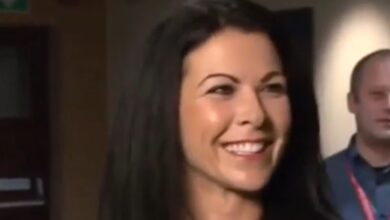
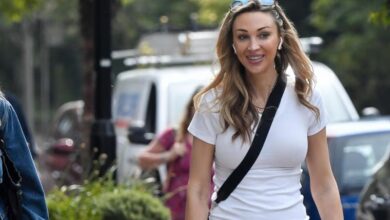
Georgina Rannard: The BBC Climate and Science Correspondent Shaping Public Understanding of the Planet
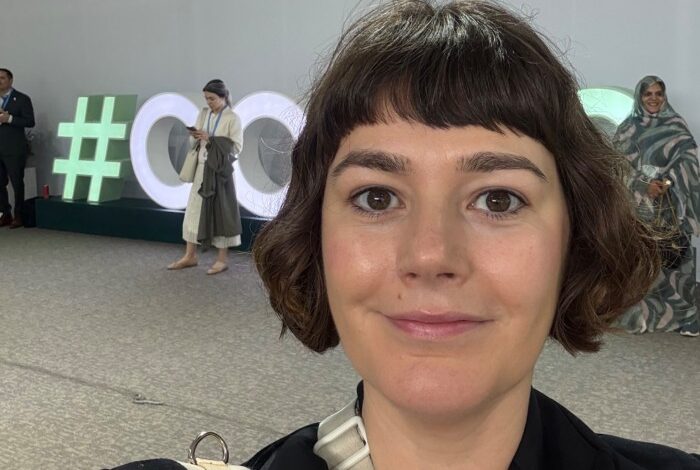
Georgina Rannard has emerged as one of the most recognisable voices in British climate and science journalism. As a correspondent at BBC News, she plays a critical role in explaining some of the most complex and urgent issues of our time — from climate change and biodiversity loss to space exploration, archaeology, and geology. Combining rigorous academic training with frontline newsroom experience, Georgina Rannard represents a modern generation of journalists who bridge research, evidence, and public storytelling with clarity and authority.
Who Is Georgina Rannard?
Georgina Rannard is a British journalist currently working as a Climate and Science Correspondent at BBC News. Based in Cardiff, she produces digital, television, and radio journalism that reaches millions of audiences across the UK and internationally.
Her reporting spans:
Climate change and climate policy
Biodiversity, ecosystems, and nature
Space science and exploration
Archaeology and geology
Broader natural sciences
Her work is known for its accessibility, evidence-led reporting, and calm authority in an era where scientific information is often politicised or misunderstood.
Georgina Rannard BBC News Career
Early Years at BBC News
Georgina Rannard joined BBC News in 2016, initially working as a Google News Fellow at BBC News Labs. This early role placed her at the intersection of journalism and digital innovation, shaping her ability to tell stories in formats suited to modern audiences.
By January 2017, she became a Journalist covering UK and World News, where she:
Reported breaking news in fast-paced environments
Wrote in-depth long-form features
Covered major international and domestic stories
Verified eyewitness content, images, and video during global events
Her reporting during this period included sensitive and high-impact subjects such as major disasters and acts of violence, requiring both journalistic skill and ethical judgement.
International Experience: Washington DC
In 2018, Georgina Rannard was posted to Washington DC as a BBC News journalist. During this time, she focused on:
US politics and society
Audience-led and social-first news
Features for BBC News World Online
This international exposure strengthened her global perspective and deepened her understanding of how science, policy, and public opinion intersect across borders.
Senior Journalist – Social Media
In 2019, she briefly served as Senior Journalist for Social Media at BBC News. In this role, she helped deliver breaking news to combined audiences exceeding 100 million people globally across platforms such as Facebook, Instagram, and X.
This experience sharpened her ability to communicate complex information clearly, concisely, and responsibly in real-time digital environments.
Georgina Rannard Science Reporter and Correspondent
Transition to Climate and Science Reporting
In October 2021, Georgina Rannard formally joined the Climate and Science team at BBC News as a Climate and Science Reporter. This marked a pivotal shift in her career, aligning her academic background with her professional reporting focus.
Her journalism during this period centred on:
Climate science and extreme weather
Environmental degradation and conservation
Scientific research and innovation
Space missions and discoveries
In June 2025, she was promoted to Climate and Science Correspondent, reflecting her seniority, expertise, and editorial leadership within the BBC.
Georgina Rannard PhD and Academic Background
Doctor of Philosophy (PhD)
She holds a PhD in History and Philosophy of Science and Technology from the University of Edinburgh. Her doctoral research trained her to:
Analyse how scientific knowledge is produced
Understand the social and historical contexts of science
Evaluate evidence critically and ethically
This academic grounding is rare in mainstream journalism and gives her reporting a level of credibility and nuance that audiences increasingly value.
Further Education
AHRC PhD Fellowship – Yale University
MA in Latin American Studies – University of Liverpool
MA (Hons) in Modern History – University of St Andrews
Her education reflects a strong foundation in history, global affairs, and critical thinking — all of which inform her reporting style.
Georgina Rannard Liverpool Roots
Georgina Rannard is Liverpool-born, a detail she has referenced publicly in her social media biography. Her Liverpool background contributes to her grounded, direct communication style and cultural awareness, traits often associated with journalists who balance national reporting with regional identity.
Although she is now based in Cardiff, her Liverpool roots remain part of her public identity.
Georgina Rannard Age (Estimated)
There is no officially published birth date for Georgina Rannard.
Estimated Age
Based on publicly verifiable milestones — including:
Joining social media platforms in 2014
Completing multiple postgraduate degrees and a PhD
Beginning her BBC News career in 2016–2017
Her estimated age is mid-30s to early-40s.
Georgina Rannard Wikipedia: Is There a Page?
As of now, Georgina Rannard does not have an official Wikipedia page.
This is not uncommon for journalists whose recognition is still growing, particularly those working primarily in reporting rather than opinion or broadcasting roles. However, given her increasing prominence as a BBC Climate and Science Correspondent, a future Wikipedia entry would be unsurprising.
Why Georgina Rannard Stands Out as a Science Reporter
Academic Credibility
Her PhD background allows her to:
Interrogate scientific claims accurately
Avoid misinformation and oversimplification
Translate research into accessible public narratives
Editorial Trust
Working within BBC News places her journalism under some of the strictest editorial standards in the world, reinforcing public trust in her reporting.
Clear Communication
She consistently explains:
Complex climate science without alarmism
Environmental risks without political bias
Scientific uncertainty without undermining evidence
This balance is essential in climate journalism, where misinformation is widespread.
Public Presence and Professional Voice
Georgina Rannard maintains a professional public presence on social platforms, where she:
Shares BBC reporting
Provides behind-the-scenes insight into journalism
Engages with science communication in an approachable tone
Her widely quoted phrase, “I wrote a PhD, now I write news,” neatly summarises her journey from academia to frontline journalism.
Quick Info
| Field | Details |
|---|---|
| Full Name | Georgina Rannard |
| Profession | Journalist |
| Current Role | Climate and Science Correspondent |
| Organisation | BBC News |
| Years Active | 2016 – Present |
| Specialisation | Climate change, science, biodiversity, nature, space, archaeology, geology |
| Known For | Evidence-based climate and science reporting at BBC News |
| Education (Highest) | PhD in History & Philosophy of Science and Technology |
| University (PhD) | University of Edinburgh |
| Fellowship | AHRC PhD Fellowship – Yale University |
| Other Degrees | MA Latin American Studies (University of Liverpool); MA (Hons) Modern History (University of St Andrews) |
| BBC Career Start | Google News Fellow at BBC News Labs (2016) |
| BBC Correspondent Since | June 2025 |
| Nationality | British |
| Birthplace | Liverpool, England |
| Current Base | Cardiff, United Kingdom |
| Age | Not publicly disclosed (estimated mid-30s to early-40s) |
| Wikipedia Page | Not available |
| Social Media | Active on X (Twitter) under @GeorginaRannard |
| Notable Quote | “I wrote a PhD, now I write news.” |
Conclusion
Georgina Rannard represents a new standard in British science journalism. With a PhD-level academic foundation, nearly a decade of BBC News experience, and a senior role covering climate and science, she has established herself as a trusted voice on some of the most pressing issues facing society today.
From her Liverpool origins to her current base in Cardiff, from academia to global reporting, Georgina Rannard’s career reflects credibility, clarity, and commitment to public understanding. As climate and science continue to shape global conversations, her role at BBC News ensures that audiences receive information that is accurate, responsible, and deeply informed.
FAQs
1. Who is Georgina Rannard?
Georgina Rannard is a British journalist and Climate and Science Correspondent at BBC News. She reports on climate change, biodiversity, nature, space, archaeology, geology, and wider natural sciences across TV, radio, and digital platforms.
2. Is Georgina Rannard a science reporter at BBC News?
Yes. Georgina Rannard is a Climate and Science reporter and correspondent at BBC News. She has been part of the BBC’s Climate and Science team since 2021 and was promoted to correspondent level in 2025.
3. Does Georgina Rannard have a PhD?
Yes. Georgina Rannard holds a PhD in History and Philosophy of Science and Technology from the University of Edinburgh. Her academic background strongly informs her evidence-based approach to science and climate journalism.
4. Where is Georgina Rannard from?
Georgina Rannard is Liverpool-born. Although she currently lives and works in Cardiff, her Liverpool roots are part of her publicly stated background and personal identity.
5. What is Georgina Rannard’s age?
Georgina Rannard’s exact age is not publicly disclosed. Based on her academic and professional timeline, she is estimated to be in her mid-30s to early-40s, but no official birth date has been published.