John Flint: The Visionary British Banker Who Bridged Global Finance and National Prosperity
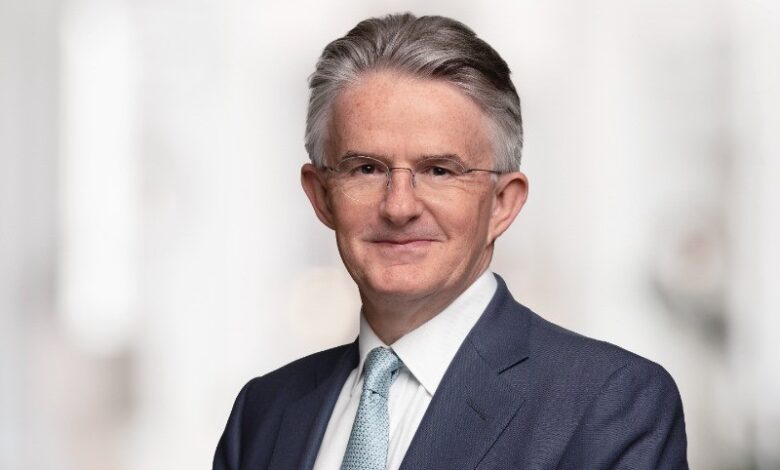
John Flint stands as one of the most distinguished figures in British banking and finance. Renowned for his steady leadership, strategic foresight, and deep understanding of international markets, Flint’s career embodies more than three decades of dedication to financial innovation, responsible governance, and sustainable economic growth. From his early days at HSBC to his pivotal role in shaping the United Kingdom’s National Wealth Fund, Flint has consistently demonstrated an ability to merge global experience with national purpose — steering institutions through change while maintaining a clear commitment to ethical and long-term financial stability.
Early Life and Education of John Flint
Born in 1968 in Yorkshire, United Kingdom, John Michael Flint’s early education laid the foundation for his analytical and global mindset. He attended Dhahran Academy in Saudi Arabia — an experience that exposed him to international perspectives from a young age — before completing his secondary education at Giggleswick School in North Yorkshire.
Flint went on to study Economics at the University of Portsmouth (then Portsmouth Polytechnic), earning a Bachelor of Arts (Honours) degree in 1989. His academic background in economics, combined with an early exposure to global cultures, equipped him with both theoretical rigour and cross-cultural understanding — attributes that would later define his leadership in one of the world’s largest banking groups.
Flint is married and has two children, maintaining a strong family grounding despite the international demands of his career.
The Beginning of a Distinguished Career at HSBC
Joining HSBC as an International Officer
Immediately after completing his studies in 1989, John Flint joined HSBC as an International Officer, a highly competitive programme designed to train global banking leaders. Over the next 17 years, he gained extensive international exposure across Hong Kong, Singapore, Indonesia, Thailand, India, Bahrain, the United States, and the United Kingdom.
During this period, Flint played a crucial role in establishing and expanding HSBC’s Global Markets business in Asia, particularly during the economic rise of the 1990s. His strategic insight into emerging markets and risk management quickly earned him recognition within the organisation.
Key Leadership Roles within HSBC
Group Treasurer and Deputy Head of Global Markets
In 2006, John Flint was appointed Group Treasurer, assuming global responsibility for HSBC’s balance sheet management. By 2008, he had also taken on the role of Deputy Head of Global Markets and Head of Global Markets for Europe, the Middle East, and Africa. His work during this period was instrumental in steering the bank’s financial operations through turbulent market conditions, particularly around the global financial crisis of 2008.
Chief Executive of Global Asset Management
In 2010, Flint advanced to become Chief Executive of HSBC Global Asset Management, overseeing one of the largest investment management divisions in the world. His tenure emphasised sustainable investment strategies and a long-term approach to client value creation, aligning with the emerging principles of responsible finance.
Chief of Staff to the Group CEO and Head of Strategy & Planning
From January 2012 to January 2013, Flint served as Chief of Staff to the Group CEO, while simultaneously holding the title of Group Head of Strategy and Planning. This dual role placed him at the strategic core of HSBC’s global operations, where he shaped policy directions and led initiatives focused on digital transformation, customer-centric growth, and compliance improvement.
CEO of Retail Banking and Wealth Management
Between 2013 and 2017, John Flint became the Chief Executive Officer of Retail Banking and Wealth Management (RBWM). This position brought him closer to millions of customers worldwide, where he focused on building accessible banking models, expanding digital financial services, and strengthening HSBC’s position as a leader in wealth management.
John Flint as Group CEO of HSBC
Appointment and Strategic Vision
On 21 February 2018, John Flint was appointed as the Group Chief Executive Officer of HSBC Holdings plc, succeeding Stuart Gulliver. He also became Chairman of the Hongkong and Shanghai Banking Corporation, marking the peak of his nearly three-decade career with the bank.
Flint’s leadership philosophy at HSBC was grounded in responsibility, transparency, and sustainability. He aimed to position HSBC as a “simpler, stronger, and more customer-focused bank.” His tenure coincided with rapid technological change and increasing regulatory complexity, yet Flint maintained a calm, data-driven approach to global banking challenges.
Global Expansion and Digital Transformation
Under his leadership, HSBC reinforced its global digital transformation strategy. Flint prioritised investment in financial technology, cybersecurity, and data-driven decision-making — recognising early on that the future of banking lay in smart automation balanced with human insight. He also sought to align HSBC’s business model with long-term climate goals, integrating environmental, social, and governance (ESG) principles into its operations.
Departure from HSBC
After 18 months as Group CEO, John Flint stepped down in August 2019, following a mutual agreement with the HSBC Board. His departure was widely discussed across the financial sector, with many acknowledging his substantial contributions to global risk management, operational efficiency, and ethical banking reforms.
Transition to Public Service
HM Treasury Panel on Ringfencing and Proprietary Trading
In 2021, before joining the UK Infrastructure Bank, Flint served on HM Treasury’s Independent Panel on Ringfencing and Proprietary Trading, where he contributed his deep banking expertise to shaping UK financial regulations. His work focused on balancing innovation with financial stability — a theme consistent throughout his career.
Chief Executive of the UK Infrastructure Bank
In September 2021, John Flint was appointed the inaugural permanent Chief Executive of the UK Infrastructure Bank (UKIB). The institution was established to support the government’s mission of financing green infrastructure and promoting regional growth across the country.
Flint’s tenure at UKIB was marked by a strong emphasis on sustainability, accountability, and measurable public value. He helped channel investments into renewable energy, transport, digital infrastructure, and climate-resilient projects — positioning the bank as a cornerstone of the UK’s net-zero strategy.
John Flint and the National Wealth Fund
In October 2024, the UK Infrastructure Bank evolved into the National Wealth Fund (NWF) — an integrated platform for national investment and wealth creation. As Chief Executive Officer of the National Wealth Fund, Flint continued to advance policies that bridged private capital with public good.
His leadership focused on leveraging the UK’s financial expertise to generate long-term returns for taxpayers, stimulate industrial growth, and fund innovations in clean energy and digital infrastructure. Flint’s tenure is widely credited with modernising the framework through which the UK government deploys capital for national development.
He served in this role until August 2025, leaving behind a legacy of strategic alignment between financial sustainability and national progress.
John Flint’s Leadership Philosophy
Visionary and Ethical Leadership
Throughout his career, John Flint has been known for his measured, ethical, and visionary leadership. His approach combines analytical precision with human understanding — viewing finance not merely as numbers but as a mechanism for improving lives and societies.
He advocates for the integration of environmental and social considerations into banking strategy, long before ESG became a global norm. Colleagues and policymakers describe him as a thoughtful leader, capable of bridging corporate and public interests with integrity and foresight.
Global Mindset, Local Impact
Flint’s international experience across Asia, the Middle East, Europe, and North America has shaped his ability to adapt strategies across cultures and economies. Yet his most recent roles at UKIB and NWF reflect a clear commitment to using global experience to serve the United Kingdom’s long-term prosperity.
Legacy and Recognition
John Flint’s contributions extend beyond traditional corporate success. His leadership at HSBC and later in national finance institutions reflects a career-long mission: to combine financial strength with societal value.
In recognition of his public service, he was appointed Commander of the Order of the British Empire (CBE) in 2024, honouring his dedication to public investment and economic innovation.
Conclusion
John Flint exemplifies the modern British financial leader — globally informed, ethically grounded, and nationally committed. His journey from Yorkshire to the helm of HSBC and the National Wealth Fund illustrates a rare blend of technical mastery and moral responsibility.
Through decades of service, he has helped redefine what it means to lead in finance — not just managing capital, but investing in the future of communities, nations, and the planet. His name will remain synonymous with the evolution of responsible, purpose-driven banking in the twenty-first century.