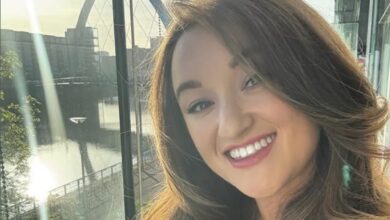
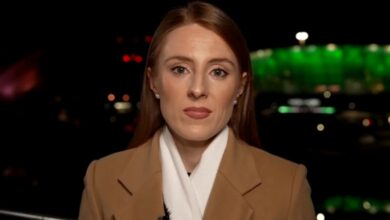
Sally Hurst: The Inspiring BBC Sport Reporter Redefining Strength, Resilience, and Representation
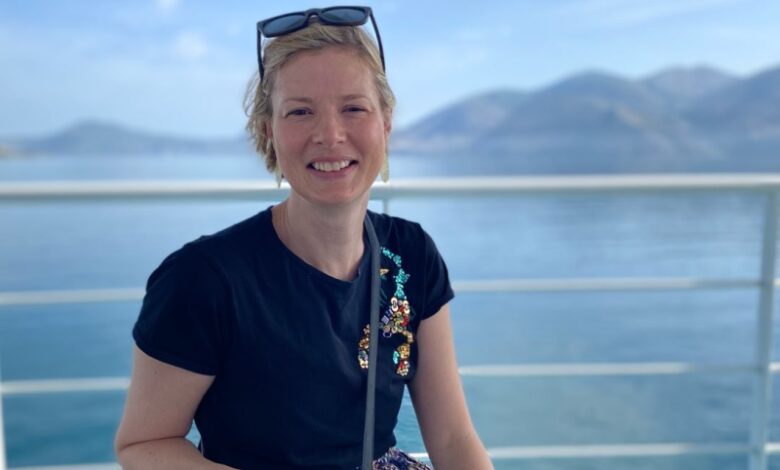
Sally Hurst is a name that resonates with courage, talent, and authenticity. Known widely as a BBC Look North presenter, BBC Sport reporter, former GB para-cyclist, and a powerful voice for disability representation in the media, she has built a remarkable career grounded in lived experience and unwavering determination. Her story is one of survival, identity, motherhood, world-class sport, and outstanding broadcasting, making her one of the most compelling journalists in the United Kingdom today.
As a Senior Broadcast Journalist specialising in disability news and sport, Sally brings an unmatched depth of understanding to her reporting—shaped by her journey through bone cancer, the loss of her leg, elite sporting achievement, and her long-running role at the BBC Look North newsroom. This article explores her career, personal life, challenges, achievements, and why “Sally Hurst” is increasingly searched across the UK.
Who Is Sally Hurst?
Sally Hurst: Journalist, Reporter & Presenter
As a journalist, Sally Hurst has built a respected career at the BBC for more than fifteen years. Based in Leeds, she has been part of BBC Look North (Yorkshire) since 2008, reporting regional news with a strong emphasis on human-centred storytelling, disability sport, and inclusive coverage that reflects her lived experience and insight.
In 2023, Sally expanded her portfolio by becoming a Senior Journalist Reporter for BBC Sport, bringing her expertise, lived experience, and sporting background to a national audience. Whether she is on camera, on the radio, or producing digital content, Sally’s reporting is known for its empathy, clarity, and depth.
Sally Hurst and BBC Look North
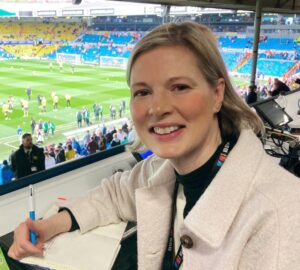
Sally Hurst is a familiar face on BBC Look North, where her warm, confident, and knowledgeable reporting has made her widely recognised across Yorkshire. Her long-standing presence on the programme reflects her professionalism and her ability to tell stories with clarity, empathy, and genuine connection to the communities she covers.
Her work within BBC Look North includes:
Reporting on regional sports across Yorkshire
Highlighting disability sport and accessibility
Covering real stories from local communities
Bringing her professional and personal insight into major sporting events
Sally’s unique perspective makes her stand out among Look North presenters, especially as someone who has lived many of the challenges faced by the people she reports on.
Sally Hurst’s Age and Early Life
Sally Hurst was 26 when she was diagnosed with osteosarcoma in 2005. Using that confirmed timeline, her birth year falls around 1978–79. This means she is approximately 46–47 years old in 2025.
She studied at the University of Leeds, earning a BA in Political Science and Government from 1997 to 2000, long before embarking on her remarkable broadcasting career.
The Medical Journey: Sally Hurst and Bone Cancer
A major part of Sally’s story—and what makes her an extraordinary figure—is her long and deeply challenging journey through bone cancer.
At 26, she began experiencing severe knee pain and was initially misdiagnosed multiple times. After persistent symptoms and a long wait for answers, she finally learned she had osteosarcoma, a rare and aggressive form of bone cancer. Following intense chemotherapy and the devastating news that the tumour had grown, she faced a life-changing decision: the amputation of her right leg.
The emotional, physical, and psychological toll of this period cannot be overstated. Sally has openly shared how the loss of her leg deeply affected her sense of identity, femininity, and confidence. She faced fatigue, pain, isolation, and the overwhelming task of learning to walk again.
Yet her story didn’t end there—it transformed into something extraordinary.
Sally Hurst Husband And Motherhood After Cancer
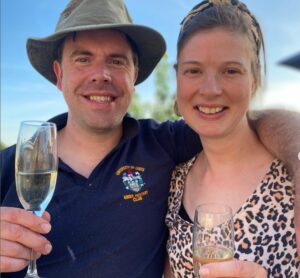
Sally Hurst is married to Peter, who supported her throughout her osteosarcoma diagnosis, amputation, and recovery. The couple married in May 2006 after postponing their original wedding due to treatment. Peter remained a constant source of strength as Sally rebuilt her life, became a mother, para-cyclist, and BBC journalist.
Despite being told she was infertile due to chemotherapy damage, Sally unexpectedly became pregnant a year after treatment. Their daughter was born in October 2007, healthy and strong. Sally later welcomed a second child in 2012, after fully adjusting to life as an amputee and mother.
Her experiences with motherhood—especially the emotional challenges of not being able to run or move as freely as she once imagined—have shaped her compassionate worldview as both a parent and a journalist.
From Amputation to Para-Cycling: Sally Hurst, the Athlete
Sally Hurst’s journey into para-cycling is one of the most inspiring chapters of her life. After years of believing sport was no longer possible, the London 2012 Paralympics reignited her drive to try again. With determination, practice, and support from British Cycling, she earned a place on the Great Britain Paralympic Development Squad.
She went on to compete internationally in World Cups, World Championships, and major events in Italy and South Africa. Cycling not only rebuilt her physical strength, but also transformed how she viewed her prosthetic limb. Instead of trying to hide it, she embraced a stronger, more confident identity.
This sporting background continues to shape her work as a BBC Sport reporter, giving her a deep understanding of the athletes and communities she covers.
Sally Hurst and BBC Sport
As a BBC Sport presenter and reporter, Sally draws from firsthand expertise—something few broadcasters possess. She understands disability, performance pressure, mental health, and resilience not as abstract concepts, but lived truth.
Her storytelling brings visibility to:
Para-athletes
Disabled sports communities
Cancer survivors
People redefining physical capability
This authenticity is why Sally Hurst BBC Sport is a top search term—and why her journalism resonates nationally.
Coping with Grief, Loss and Recovery
Another powerful part of her life includes losing a close para-cycling friend, Liz Clarke-Saul, in 2020 to recurrent bone cancer. Sally has spoken about how vital community and shared understanding are for healing—and how important it is for medical professionals to listen, diagnose early, and treat with empathy.
Sally Hurst and Her Second Cancer Diagnosis
In 2017, Sally faced another shocking challenge: breast cancer. She underwent further chemotherapy and a double mastectomy. Her resilience throughout this period reinforced her status as an extraordinary survivor. Today, she and her family are thriving.
Why Sally Hurst Deserves Global Recognition
Although Sally Hurst does not currently have a dedicated Wikipedia page, her story is one that deserves wide recognition. She stands as a powerful example of disability representation in UK journalism, having survived both bone cancer and breast cancer. She rebuilt her life through motherhood, elite para-sport, and a successful broadcasting career, becoming a respected national voice for inclusivity and awareness. Her journey reflects exceptional resilience, ambition, and the strength to redefine life after profound challenge.
Conclusion
Sally Hurst is far more than a BBC Look North presenter, BBC Sport reporter, or former GB para-cyclist. She is a symbol of courage, perseverance, and authenticity. Her journey—from bone cancer and amputation to motherhood, elite cycling, journalism, and advocacy—is one of the most inspiring modern stories in British media.
Sally Hurst is a woman who has not only survived extraordinary challenges, but turned them into purpose. Her journey continues to influence UK sports broadcasting, disability representation, and human-centred journalism. Through her strength, honesty, and compassion, she has become a powerful and inspiring voice within the media landscape.
FAQs
1. Who is Sally Hurst?
Sally Hurst is a Senior Broadcast Journalist with BBC Look North and a sports reporter for BBC Sport. She is also a former Great Britain para-cyclist and a prominent advocate for disability awareness.
2. How did Sally Hurst lose her leg?
Sally lost her right leg to osteosarcoma at the age of 26. After chemotherapy and the progression of the tumour, amputation became the only viable treatment option.
3. Is Sally Hurst married?
Yes. Sally is married to Peter, who supported her throughout her diagnosis, treatment, amputation, and recovery. They married in 2006 and have two children.
4. What is Sally Hurst’s age?
Based on her being 26 in 2005, Sally was born around 1978–79, making her approximately 46–47 years old in 2025.
5. Did Sally Hurst compete as a para-athlete?
Yes. Sally became a para-cyclist after her amputation and went on to join the Great Britain Paralympic Development Squad, competing in international events including World Cups and World Championships.