DIY vs. Professional Installation: Setting Up Your Electric Gate Opener
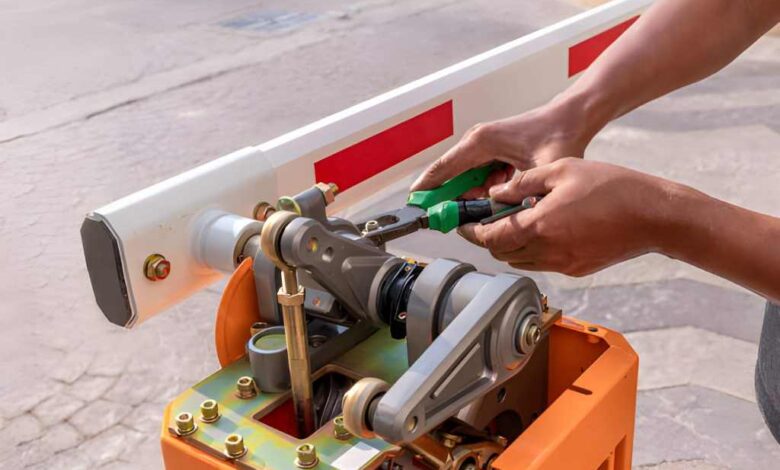
Your desire to live in comfort, convenience, and security is a justified one. And having an automated gate opener is one step forward toward meeting that desire. But one key aspect that keeps homeowners from installing a gate automation is the associated setup cost.
That’s where DIY alternatives thrive. In a DIY package, you get a manual to guide you through self-installation processes. For mechanical minds, it’s a chance to engage in their favorite pastime and save a big sum.
But is it really all that creates the difference between DIY and professional installation? Should you always go for DIY, or are there conditions to follow? This article will help navigate the choice with crucial knowledge and wisdom.
Key Differences between DIY and Professional Installation
By definition, the differences are rather clear.
DIY or Do It Yourself automatic gate openers let you perform the setup measures all by yourself. You don’t take help from third-party services.
Professional installation, on the other hand, is carried out by expert mechanics, specifically trained in gate automation.
But knowing what is what is not enough to draw a detailed picture. You need to understand the involved processes of each option, including their perks and underlying challenges.
DIY Installation- Flexibility vs Technicalities
The alluring prospect of doing it yourself is adventurous and so triggering. There are reviews of DIY products on the internet, promoting DIY solutions as a way to save money and hassle.
But here is what no one tells you:
- Expertise: To undertake a DIY project, you must know your tools. Amateur maneuvers lead to misplaced, malfunctioned, and terrible installations. Make sure your technical knowledge and way with mechanical equipment are thorough and reliable.
- Cost: Obviously, by mounting the opener without hiring a professional, you can save the large installation cost. But it’s only initial, and for poor setups, the cost will only double, as a reset is always more complicated and a longer process.
- Variety: About gate openers, they don’t come in a single variety. By size and the type of gate they are designed for, openers span a wide spectrum of options. Even though there is a DIY model in every category, installing them involves unique steps, organizations, and technicalities.
- Time: If you want to take one thing for sure, know that DIY is always more time-consuming than master setups. You are to lose clues, move back and forth between steps, watch a few YouTube videos, read manuals, and spend days, if not weeks.
- Safety: Done well, you get nothing to worry about. But if things go wrong, noisy operations, loose attachments, and malfunctions are inevitable. It means you are still not very safe, the gate may fail at any time, and it may harm the users.
Professional Installation- Perfection vs Cost
Let’s discourage the cravings for novelty of your curious mind. You will find that there is rather little to complain about the professional take-up, except for the extra expense.
To back that concern and grasp the reality, here is what you must know:
- Perfection: An expert comes out after passing tests and proving skills. So, the assurance of pixel-perfect placement and silky-smooth operation is there. Their experience hands just know where to hold, place, and adjust, and how to make it roll on the first attempt.
- Schedules: Professionals are busy workers, and having one of them visit you may require early appointments. It’s a limitation for someone in an emergency. But if a delay is possible, the resulting quality of the installation will always be worth the wait.
- Expense: An automatic gate opener is itself a fair investment. The idea of not addressing it with an expert finish just to spare a few bucks should be revisited with more reason and thought. Especially when you will get a setup that works just as it is meant to, looks well-treated, makes no noise, and responds to every call.
- Warranty: Manufacturers often tag warranties with a professional installation. By this, they ensure the minimum troubleshoots and complaints.
How to Decide between DIY and Professional Setups
By now, you should already have summed up the situation. But to break it down even further and help you with your decisions, here are our suggestions:
- Confidence: If you have experience with similar installations, consider a DIY. Note that it won’t be easy, regardless of what is promoted.
- After-sales: Every now and then, due to mishaps, such as a power surge, physical damage, jamming, or even regularities, you will need repair and maintenance. To endorse the warranty, a company requirement for an expert setup must be met.
- Budget: DIY is the best choice when your budget reaches the lowest point of your ability. But it’s wise to choose an expert if your pocket allows for it.
Wrapping Up
Don’t let promotions and reviews cloud your mind when deciding between DIY and professional installations. Most of them are myths, driving people to make choices based on fear and greed. Instead, appraise your capacity, including technical and economic. Consider the stakes and limitations of each process. The road to the right decision will become evident on its own.