How Higgsfield’s Multi-Axis Motion Control Changes What’s Possible in AI Video
Most AI generated videos still move in predictable ways. The subject moves, the background shifts slightly and the camera adds basic animation across the frame. At first glance, the result may look impressive, but after watching longer, many scenes still feel flat and digitally controlled instead of cinematic.
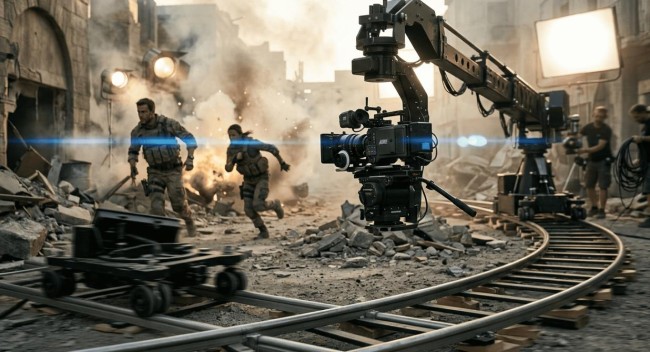
The reason usually comes down to motion complexity. Real filmmaking involves layered movement happening simultaneously. Cameras push forward while tilting upward. Subjects rotate while environments shift naturally around them. Perspective changes dynamically as motion interacts across several directions at once. These multi-axis movements are a huge part of what makes cinematic footage feel immersive.
Without them, scenes often feel mechanically animated rather than physically captured. This is where Higgsfield stands out from many AI video tools. Instead of relying only on simple directional motion, the platform focuses heavily on cinematic camera behavior and more advanced movement dynamics across multiple motion axes.
For creators using an ai video generator, this creates videos that feel far more immersive, energetic and visually cinematic compared to standard AI-generated movement. As AI filmmaking becomes more advanced, realistic multi directional motion is becoming one of the biggest differences between generic AI clips and professional looking cinematic video.
Why does multi-axis movement matter so much in cinematic video?
Real cameras rarely move in only one direction. In traditional filmmaking, movement usually combines several layers at the same time. A camera may track sideways while slowly rotating. A handheld shot may subtly drift while pushing toward the subject. Even small motion changes influence depth perception and emotional intensity.
This layered movement creates realism. Human eyes naturally expect physical motion complexity because real-world filming contains momentum, balance shifts, perspective changes and environmental interaction happening together. Without those details scenes often feel artificial.
This becomes especially noticeable in AI generated content where motion may technically exist but still lacks cinematic immersion.
Multi-axis movement helps scenes feel more dynamic because the environment responds more naturally to camera behavior and perspective shifts.
Why do many AI video tools still produce flat movement?
Most AI systems focus primarily on basic animation patterns. The platform may move the subject or shift the camera slightly, but the motion often lacks layered cinematic behavior. As a result, scenes feel visually controlled in a mechanical way rather than physically believable.
Common issues usually include:
- Linear camera movement
- Weightless motion behavior
- Static perspective handling
- Limited depth interaction
- Repetitive scene movement
- Artificial motion pacing
These problems make videos feel digitally generated even when image quality looks strong. The challenge is that cinematic realism depends heavily on how movement interacts across space and depth simultaneously.
Traditional filmmaking naturally captures this complexity through real camera systems and physical motion. AI generated workflows must recreate those dynamics digitally while still keeping movement believable and visually smooth.
How does Higgsfield’s motion system create more cinematic scenes?
Higgsfield focuses heavily on layered cinematic movement instead of relying only on simple directional animation. Its multi axis motion control allows scenes to feel more physically dynamic because movement happens across several dimensions simultaneously.
This creates stronger immersion and more realistic scene behavior. For example, camera movement can feel more natural because perspective, motion depth and environmental response work together instead of moving independently.
The difference becomes especially noticeable in:
- Cinematic storytelling
- Fashion campaigns
- Music visuals
- Product commercials
- Social-first video content
- High-energy promotional clips
The ai video generator workflow feels much closer to professional filmmaking because scenes carry more visual momentum and spatial realism throughout motion sequences.
Why are creators focusing more on cinematic movement complexity now?
Video audiences have become far more visually aware. People constantly consume polished creator content across TikTok, Instagram Reels, YouTube Shorts and streaming platforms. Because of this, viewers immediately recognize when motion feels unnatural or visually flat.
Simple animation no longer creates the same impact. Creators now want movement that feels immersive, dynamic and emotionally cinematic. Multi-axis motion helps achieve that because scenes behave more like real filmed footage instead of isolated digital movement.
Higgsfield gives creators more flexibility to experiment with cinematic pacing and advanced movement behavior across generated scenes. An ai video generator with stronger motion realism allows creators to produce videos that feel more alive and visually engaging across social media and branded content formats.
Why does multi-axis motion improve storytelling?
Movement influences emotion. A subtle forward push combined with environmental motion can create tension. Rotational movement can increase intensity during dramatic scenes. Controlled depth motion can make a subject feel more immersive and visually important.
These effects come from layered cinematic movement. Without motion complexity, storytelling often feels visually static even when objects move inside the frame.
Higgsfield helps creators produce scenes with stronger cinematic energy by improving how movement behaves throughout the environment itself. The ai video generator workflow becomes much more useful for narrative storytelling because movement supports the emotional pacing of the scene instead of functioning like disconnected animation. That difference helps generated content feel more intentional and immersive overall.
Why are brands interested in advanced AI motion systems?
Brands now compete heavily through video quality. Social campaigns, fashion launches, product promotions and ecommerce ads all fight for attention in crowded digital environments. Basic AI generated movement often fails because audiences already expect polished visual presentation.
Cinematic motion helps campaigns stand out. A product commercial with layered camera movement immediately feels more premium than a flat animated clip. Dynamic motion also improves immersion and visual retention across short form platforms.
Higgsfield helps brands create more visually refined campaigns through advanced motion systems designed around cinematic realism.
An ai video generator with stronger motion control allows marketing teams to produce premium-looking videos faster while still maintaining a visually cinematic presentation. This becomes especially valuable during high-volume campaign cycles where both speed and quality matter.
Why are social-first creators adopting advanced motion tools faster?
Short form creators constantly compete for audience attention within seconds. Visual energy matters heavily on platforms like TikTok and Instagram where viewers scroll rapidly through content feeds. Dynamic movement helps stop scrolling because scenes feel more immersive immediately.
Flat motion usually blends into the background. Higgsfield supports creators who want more cinematic and energetic scene behavior within social-first content formats.
The ai video generator workflow becomes especially useful for creators building:
- Fast-paced edits
- Music-driven visuals
- Fashion content
- Viral cinematic clips
- Storytelling sequences
- High-energy social campaigns
Layered movement helps these videos feel more engaging without relying only on heavy editing or transitions.
Why is motion realism becoming one of the biggest priorities in AI video?
AI video generation is evolving beyond basic movement. Early tools focused mainly on proving motion generation was possible. Now creators expect cinematic realism, spatial depth, emotional pacing and physically believable camera behavior.
Movement quality has become one of the most important parts of cinematic immersion. Higgsfield reflects this shift by focusing heavily on advanced motion systems that behave more like real filmmaking instead of generic animation.
An ai video generator with multi axis motion control gives creators more freedom to produce immersive storytelling, cinematic campaigns and visually dynamic short-form content with stronger realism and emotional impact. As AI generated filmmaking continues evolving, movement complexity will likely become one of the defining features separating cinematic creative platforms from simple video generation systems.