Jack Surfleet: The Rise of a BBC News Reporter Shaping Modern Journalism
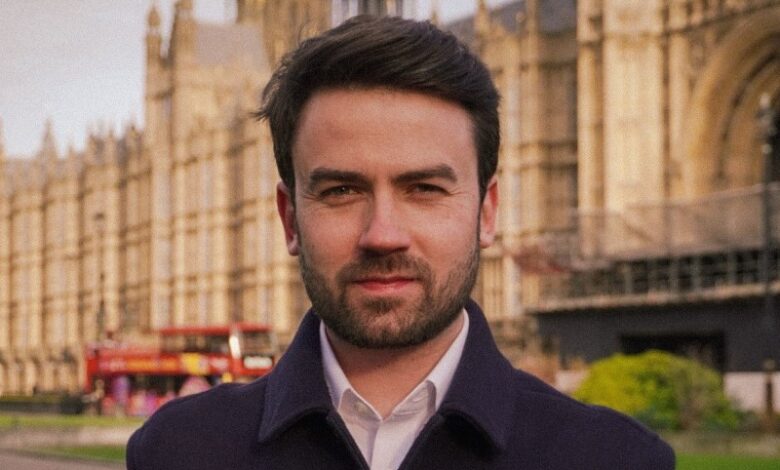
Jack Surfleet has built a strong reputation as a broadcast journalist, reporter and presenter with BBC News. Based in London and associated with some of the BBC’s most visible news brands, he represents a modern generation of journalists who have combined traditional reporting skills with on-screen presence, digital awareness and practical newsroom experience.
His career path shows steady progress rather than overnight success. From early work in local media and student journalism to senior editorial roles at the BBC, his professional journey reflects determination, versatility and a clear commitment to news reporting. With experience across radio, television, research and presentation, he has developed into a well-rounded journalist whose background combines grassroots media training with national-level exposure.
Jack Surfleet and His Educational Background
Jack Surfleet at the University of Lincoln
A major foundation in his career came through his studies at the University of Lincoln, where he completed a Bachelor of Arts in Journalism between 2015 and 2018. He achieved First Class Honours, which immediately set him apart as someone with both academic ability and practical potential.

Studying journalism at university gave him the opportunity to sharpen core reporting skills such as news writing, interviewing, research, editing and production. It also appears to have opened doors to practical placements and student media experience, both of which played an important role in his development.
His connection with the University of Lincoln remains a visible part of his public profile, suggesting that the institution was not simply a place of study but a meaningful part of his wider professional identity.
Earlier Education and Local Roots
Before university, he studied at Franklin College in Grimsby from 2012 to 2014, and earlier attended Cleethorpes Academy from 2007 to 2012. These details point to strong roots in north-east Lincolnshire, an area that also shaped much of his early work in local broadcasting, live events and community-facing media.
Jack Surfleet and His Early Media Experience
Jack Surfleet Before National Journalism
Long before reaching senior roles at the BBC, Jack Surfleet had already built a varied background in media and production. His early experiences reveal someone who was willing to take on different responsibilities, learn on the job and build confidence in front of and behind the camera.
One of his earliest public-facing roles was as a presenter at Estuary TV in Grimsby in 2014. There, he researched features, wrote scripts, contacted guests and presented content. That kind of experience is especially useful for a journalist because it develops editorial judgement, communication skills and ease on screen.
He also worked as a newsreader at Siren Radio from 2017 to 2018, further strengthening his broadcasting background. Radio often teaches journalists how to write clearly, deliver with authority and process information quickly, all of which are valuable in television and live reporting.
Production, Events and Hands-On Media Work
His background was not limited to straightforward newsroom jobs. He also took on practical production and event roles, including work as a production manager, stage manager, technical manager and event steward team leader. At first glance, these roles may sit outside classic journalism, yet they show an important side of his professional development.
They suggest organisational discipline, teamwork, adaptability and confidence under pressure. Whether managing sound and lighting, working backstage, coordinating volunteers or handling public announcements, these experiences likely strengthened the calm and practical mindset needed in live news environments.
Jack Surfleet and Student Journalism Development
Jack Surfleet at LSJ News and Freelance Writing
During his university years, he was involved with LSJ News as an on-screen production journalist from 2016 to 2018. In that role, he helped oversee day-to-day news gathering, scripting and editing. This demonstrates that he was already gaining newsroom leadership exposure while still in higher education.
He also worked as an external writer for LADbible Group in 2016, showing an ability to write for digital audiences as well as more traditional news settings. In addition, he spent time at Trinity Mirror plc on placement at the Grimsby Telegraph, where he wrote articles for online and print publication and produced video versions of stories.
This combination of student journalism, digital writing and regional press work gave him a broad skill set early on. It helped bridge the gap between academic study and professional employment, making him newsroom-ready by the time he graduated.
Jack Surfleet and the Start of His BBC Career
Jack Surfleet at BBC Radio Lincolnshire and BBC Radio Humberside
His relationship with the BBC began during a university placement at BBC Radio Lincolnshire between 2015 and 2016. This was an important stepping stone, giving him first-hand exposure to the standards, pace and expectations of one of the UK’s most respected broadcasters.
He then moved into a broadcast journalist role with the BBC from June 2017 to January 2019, working across BBC Radio Humberside and BBC Radio Lincolnshire. This period marked the true start of his professional BBC career.
Local BBC radio is often where strong journalists are formed. It requires reporters to understand communities, find original stories, build trusted local contacts and cover a wide range of issues. It also demands accuracy, speed and flexibility. Surfleet’s early years in this environment would have provided a solid editorial grounding.
Reporting from North East Lincolnshire
Within that period, he also served as a North East Lincolnshire reporter in 2018. That role closely matched his regional roots and would have involved reporting on local affairs, community developments and breaking stories relevant to the area.
For many journalists, local reporting is where the craft becomes real. It teaches them how to listen, verify, explain and report with clarity for ordinary audiences. His regional reporting work appears to have given him exactly that sort of foundation.
Jack Surfleet and His Progression at BBC News
From Journalism Researcher to Senior Journalist
In January 2019, he moved into a journalism researcher role at BBC News in London. This was a significant step forward. Research positions in major news organisations are crucial because they involve fact-finding, editorial support, story development and the preparation that underpins high-quality reporting.
From May 2021 to August 2022, he progressed to the role of journalist at BBC News. This move showed growing trust in his editorial skills and reporting ability. Then, in August 2022, he became a senior journalist, a position that reflects both experience and leadership.
The timeline shows consistent advancement within the organisation rather than sideways movement. That matters because it signals reliability, professional growth and an ability to perform across different newsroom functions.
Jack Surfleet and BBC Three
Alongside his BBC News work, he has also been listed as a senior journalist with BBC Three from March 2022 onwards. This suggests involvement with youth-facing or digitally oriented journalism within the BBC family, further broadening his profile.
BBC Three has often been associated with a younger audience and more innovative storytelling approaches. Experience there indicates adaptability and awareness of how journalism must evolve across platforms.
Jack Surfleet as a Reporter and Presenter
Jack Surfleet’s On-Screen and Reporting Strengths
One of the most notable aspects of his profile is that he is described as both a reporter and presenter. That combination is increasingly valuable in modern journalism. Today’s leading newsroom professionals are often expected not only to gather and verify stories but also to communicate them confidently on air and across digital channels.
His social media profiles reinforce this image. On Instagram, he presents himself simply as a journalist at BBC News, with an open invitation for story tips. On X (Twitter), he describes himself as probably reporting somewhere for BBC News, with previous links to BBC Politics and his university network. That wording feels natural, contemporary and closely tied to field reporting.
His audience on social platforms also suggests that he has become recognisable beyond the newsroom, especially among those who follow politics, media and BBC reporting.
A Professional Identity Built on Credibility
His public presentation is professional without appearing overly polished or detached. That balance is important for journalists, particularly those working in television and breaking news. Audiences tend to respond well to reporters who sound informed, approachable and grounded.
Jack Surfleet and His Wider Professional Story
Jack Surfleet’s career reflects a strong example of how modern journalists build success: through education, local reporting, digital adaptability, newsroom discipline and gradual progression into senior roles. He did not emerge from a single glamorous breakthrough. Instead, he built his path through placements, freelance work, student media, regional journalism and committed service within the BBC.
That makes his story especially relevant to aspiring journalists in the UK. It shows that meaningful media careers are often built through persistence, practical experience and a willingness to develop across different formats.
Final Thoughts
Jack Surfleet stands out as a capable and steadily rising BBC journalist with a background rooted in local media, strong academic achievement and substantial newsroom experience. From Grimsby and Lincolnshire beginnings to senior work at BBC News in London, his journey reflects both ambition and substance.
His record includes radio journalism, research, television reporting, presenting and digital engagement. Together, these elements create the profile of a journalist who is equipped for the realities of modern news.
For anyone looking at his professional journey, the most striking point is not only where he is now, but how clearly each stage prepared him for the next. That is what makes his career both credible and impressive.