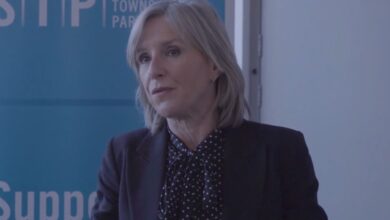
Hannah Barnes: Investigative Journalist, Author of Time to Think, and Leading Voice in UK Media
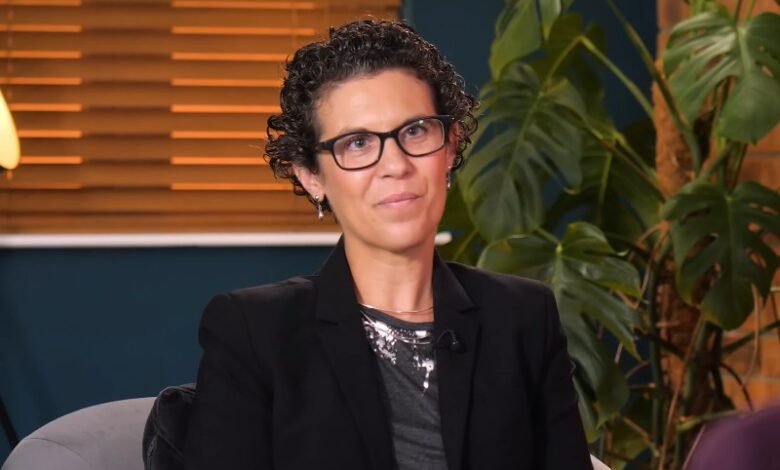
Hannah Barnes is one of the most respected investigative journalists in the United Kingdom, recognised for her rigorous reporting, analytical depth, and commitment to uncovering complex social and political issues. Currently serving as Investigations Editor at The New Statesman, she has built a reputation for producing impactful journalism that shapes public debate.
Her career reflects a rare combination of academic excellence, professional experience, and editorial leadership. With a background rooted in political analysis and broadcast journalism, Hannah Barnes has consistently delivered high-quality investigative work across television, radio, and print media.
Early Life and Education of Hannah Barnes
The academic foundation of Hannah Barnes played a crucial role in shaping her analytical mindset. She studied Philosophy, Politics and Economics (PPE) at the prestigious University of Oxford between 2001 and 2004. This degree is widely known for producing influential thinkers, politicians, and journalists, and it equipped her with critical thinking and policy analysis skills.
Following her undergraduate studies, she pursued a Postgraduate Diploma in Broadcast Journalism at City, University of London (now City St George’s). This professional training provided her with practical expertise in media production, reporting, and storytelling, enabling her to transition effectively into journalism.
Hannah Barnes Career Journey: From Political Analysis to National Media
Early Career and Political Analysis
Hannah Barnes began her professional journey as a Parliamentary Affairs Analyst at DeHavilland. In this role, she analysed parliamentary debates, policy developments, and political activities across the UK. Her work required condensing complex legislative discussions into accessible reports, demonstrating her early ability to interpret and communicate intricate information clearly.
Entry into Broadcast Journalism
Her transition into broadcast journalism began at GCap Media, where she worked as a newsreader and reporter. She later became chief reporter in Birmingham, gaining hands-on experience in live reporting and newsroom operations. During this period, she received industry recognition, winning “Scoop of the Year” at the IRN Awards and earning a nomination for Young Journalist of the Year.
Extensive BBC Career
A defining phase in Hannah Barnes’s career was her long tenure at the BBC, where she worked for approximately 15 years. Her contributions spanned multiple high-profile programmes and platforms.
She served as a Senior Broadcast Journalist in radio current affairs, contributing to flagship programmes such as BBC Radio 4’s Today, The Report, and More or Less. She also worked on BBC World Service productions including Assignment and From Our Own Correspondent. Her work covered a broad range of topics including politics, healthcare, and social issues.
Later, she joined BBC Newsnight, one of the UK’s leading investigative television programmes. As a Senior Journalist and Investigations Producer, she was involved in high-impact reporting that required in-depth research, strong sourcing, and editorial precision.
Hannah Barnes at The New Statesman
In 2024, Hannah Barnes joined The New Statesman as Associate Editor and was later promoted to Investigations Editor in September 2025. In this role, she leads investigative reporting projects and contributes to long-form journalism focusing on public policy, healthcare systems, and societal challenges.
Her work at The New Statesman reflects a continuation of her investigative ethos, combining factual reporting with critical analysis. She remains actively engaged in uncovering stories that have national relevance and policy implications.
Hannah Barnes Time to Think
One of the most significant milestones in Hannah Barnes’s career is her book Time to Think, published in February 2023. The book is a detailed investigative account of the NHS Gender Identity Development Service at the Tavistock and Portman NHS Foundation Trust.
The work is based on extensive interviews, research, and documentary evidence. It explores the development, challenges, and eventual restructuring of the service. The book has been widely recognised for its depth, balance, and journalistic integrity.
It became a Sunday Times bestseller and was shortlisted for prestigious awards, including the Orwell Prize for Political Writing and the Baillie Gifford Prize. The publication significantly contributed to public discourse on healthcare policy, ethics, and evidence-based treatment.
Writing Style and Journalistic Approach
Hannah Barnes is known for her meticulous approach to journalism. Her work demonstrates a strong emphasis on evidence, balanced reporting, and clarity. She has the ability to handle sensitive and complex subjects with professionalism, ensuring that multiple perspectives are considered.
Her writing style is analytical yet accessible, making her work suitable for both specialist audiences and general readers. She excels in long-form investigative journalism, where detailed research and narrative structure are essential.
Key Skills and Professional Strengths
The professional success of Hannah Barnes can be attributed to a set of well-developed skills. These include the ability to write under tight deadlines, interpret rapidly changing information, and maintain political balance in reporting. She is also highly skilled in building and maintaining professional networks, which is crucial for investigative journalism.
Her editorial leadership and experience across different media formats have strengthened her ability to manage complex reporting projects and deliver high-quality content consistently.
Social Media Presence and Public Engagement
Hannah Barnes maintains a professional presence on social media, particularly on X (formerly Twitter), where she shares updates on her work, commentary on current affairs, and insights into investigative journalism. Her platform serves as an extension of her professional identity, allowing her to engage with audiences and contribute to ongoing discussions.
With a substantial following, she is recognised as a credible voice in UK media, particularly in areas related to healthcare, policy, and investigative reporting.
Personal Life and Public Image
While Hannah Barnes is a public figure in journalism, she maintains a relatively private personal life. She is known to be based in London and balances her demanding professional responsibilities with personal commitments. Her focus remains primarily on her work and contributions to journalism.
Conclusion
Hannah Barnes represents a modern standard of investigative journalism in the United Kingdom. Her career demonstrates a commitment to truth, evidence, and public interest reporting. From her early days in political analysis to her current leadership role at The New Statesman, she has consistently contributed to meaningful journalism.
Her book Time to Think stands as a testament to her investigative capabilities and her willingness to address complex and sensitive issues. As the media landscape continues to evolve, Hannah Barnes remains a significant figure whose work influences both public understanding and policy discussions.
Her journey reflects not only professional success but also the importance of integrity, analytical thinking, and dedication in journalism.
FAQs
1. Who is Hannah Barnes?
Hannah Barnes is a British investigative journalist and author, currently serving as Investigations Editor at The New Statesman. She is widely known for her in-depth reporting on public policy and healthcare, and for her bestselling book Time to Think.
2. What is Hannah Barnes known for?
Hannah Barnes is best known for her investigative journalism, particularly her work at BBC Newsnight and her book Time to Think, which examines the UK’s Tavistock gender identity service.
3. Where did Hannah Barnes study?
Hannah Barnes studied Philosophy, Politics and Economics (PPE) at University of Oxford and later completed a postgraduate diploma in broadcast journalism at City, University of London.