Will Vernon: The BBC Correspondent Shaping Modern Foreign Reporting
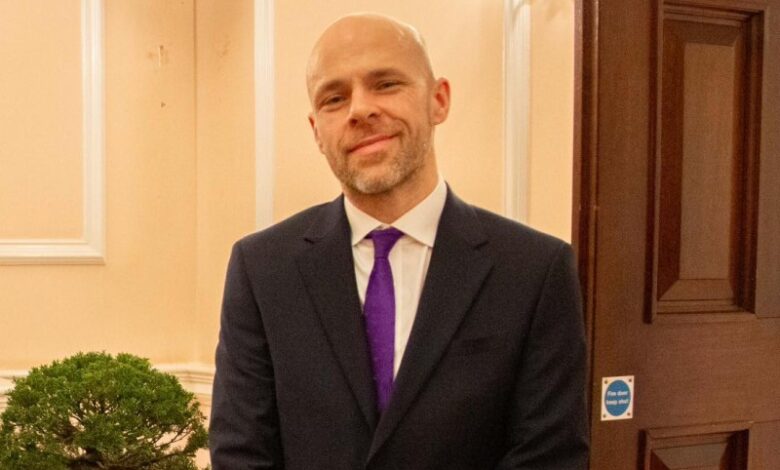
Will Vernon has built a strong reputation as one of the BBC’s most experienced and recognisable correspondents. With more than 15 years at BBC News, he has developed a career defined by frontline reporting, sharp analysis, and an ability to explain difficult world events in a clear and human way. His professional background shows a journalist who can move between breaking news, investigative work, live broadcasting, and documentary storytelling without losing authority or clarity.
Based in London, Will Vernon is known for his work across television, radio, online, and digital platforms. His reporting background includes major international stories linked to Russia, the former Soviet region, the United States, and conflict zones. That breadth of experience has helped him become a trusted voice in international affairs, particularly when events demand calm reporting under pressure.
Will Vernon Career Journey at BBC News
Early BBC Years and Production Experience
The foundation of Will Vernon’s career was built through production roles that gave him a broad understanding of modern newsrooms. From January 2011 to December 2014, he worked as a producer in various locations, helping to create television, radio, and digital content across BBC newsgathering and output. During this period, he contributed to well-known BBC programming, including Radio 4’s Today and The World Tonight, alongside BBC World News and other major outlets.
These years were important because they gave him practical experience in different formats and different editorial environments. Producing content for multiple platforms demands precision, speed, and strong judgement. It also helped shape his later strengths as a correspondent who understands not only how stories are reported, but how they are assembled, presented, and received by audiences.
Will Vernon in Ukraine and London Roles
In early 2015, Will Vernon took on the role of senior producer in Donetsk, Ukraine. This was a major step in his career because it placed him in a conflict environment where reporting required both courage and precision. Working in such a setting is not simply about being present. It requires understanding security risks, verifying claims under pressure, and telling stories that are accurate without losing the human reality behind them.
He later moved into the role of newsgathering duty editor in London from July 2015 to June 2016. This editorial position added another dimension to his experience. It showed that he was not only trusted in the field, but also trusted to help manage coverage and make decisions in a fast-moving news environment.
Moscow, Warsaw and International Reporting
From July 2016 to August 2023, Will Vernon served as a senior journalist in Moscow. This was one of the defining periods of his professional life. Russia and the wider former Soviet region have long required deep knowledge, careful reporting, and strong language skills. His fluency in Russian made him especially well suited to this role. It allowed him to engage more directly with local sources, political developments, and regional narratives.
After Moscow, he worked in Warsaw as a senior journalist from August 2023 to December 2023. He then became North America correspondent in Washington DC from January 2024 to July 2024. In that role, he covered the US election, breaking news, and wider stories across North America for BBC television, radio, online, and digital services. This shift showed his versatility. He was not limited to one region but could move into a very different political and media landscape while maintaining the same journalistic standard.
News Correspondent and Senior Journalist Role
From July 2024 to February 2026, Will Vernon worked as a BBC News correspondent based between London and Warsaw. In January 2026, he moved into the role of senior journalist in the London area. This progression reflects a career built on consistency, expertise, and trust. His profile describes him as an award-winning journalist, correspondent, and presenter, which matches the range of responsibilities he has carried through different stages of his career.
Will Vernon Reporting Style and Strengths
Why Will Vernon Stands Out
One of the most impressive parts of Will Vernon’s professional profile is the balance between hard-news ability and human storytelling. He is described as adept at breaking news live on television, radio, and digital platforms, while also being skilled in investigative journalism and what he calls “boiling down” complex stories. That phrase captures a central quality in his work. Good correspondents do not just gather facts. They make complicated events understandable.
He has also developed a strong track record in “real people” reporting. This matters because international journalism can easily become too abstract. Wars, elections, political repression, or diplomatic tension can sound distant unless a reporter shows how such events affect ordinary lives. His experience in Ukraine, Syria, Israel, Nagorno-Karabakh, and other hostile environments suggests a journalist who understands that human detail gives meaning to global events.
Specialist Knowledge in International Affairs
Will Vernon’s specialist areas include Russia, the former Soviet Union, and the United States. That combination is especially valuable in modern journalism because these regions often sit at the centre of major global tensions. Reporting on them well requires historical awareness, cultural understanding, and the ability to recognise propaganda, nuance, and shifting political language.
His fluency in Russian is another major professional strength. Language ability is not just a line on a profile. It can transform reporting. It allows a correspondent to work more independently, hear tone and context directly, and understand the layers that can be lost in translation. For a journalist covering Russian-speaking regions, that ability adds real depth.
Will Vernon Education and Academic Background
University of Exeter and Russian Studies
Will Vernon studied at the University of Exeter, where he completed a Bachelor of Arts in Russian Studies from September 2004 to July 2008. He graduated with a first and achieved distinction in oral Russian. This academic path fits naturally with the shape of his career. Russian Studies is not a casual choice. It suggests an early, serious interest in language, politics, culture, and regional affairs.
That educational background clearly supported his later reporting work in Moscow and across Eastern Europe. It also helps explain why he developed into a specialist on Russia and the former Soviet world. His studies gave him the intellectual base, while years in the field gave him practical authority.
Will Vernon Social Media Presence and Public Voice
Will Vernon Beyond Traditional Broadcasting
Outside standard BBC broadcasting, Will Vernon has maintained a visible and distinctive public presence on social media. His Instagram and X profiles use the same tone and identity, describing him as a BBC journalist and including the striking quotations, “A nobody” from Andrew Tate, “Slightly blind” from Alexander Lukashenko, and “NATO propagandist” from the Donetsk People’s Republic. These lines suggest dry humour and self-awareness, while also reflecting the kind of strong reactions international reporters often provoke.
His public accounts reinforce the same professional identity shown in his BBC and LinkedIn profile. They present a correspondent who is serious about journalism but comfortable using wit to frame the criticism that often comes with reporting on polarised political issues. His YouTube presence also supports that image, giving viewers another route to see his reporting work.
Public Image and Professional Reputation
The overall picture is of a journalist who combines credibility with personality. He does not come across as manufactured or overly polished. Instead, his profile suggests confidence built through experience. That matters in broadcast journalism, where audiences respond not only to facts but to tone, presence, and trustworthiness.
What Makes Will Vernon Important in Today’s Media
Will Vernon represents the kind of correspondent modern public-service journalism depends on: experienced, adaptable, knowledgeable, and able to report from difficult places without losing perspective. His career has moved through production, editing, field reporting, and correspondence across several of the world’s most demanding news environments. Few journalists build that kind of range while maintaining a clear specialism.
At a time when misinformation spreads quickly and international events are often simplified for attention, reporters like Will Vernon remain valuable because they bring depth and context. His work across conflict zones, geopolitical flashpoints, and major democratic events shows why experienced foreign correspondents still matter. He is not simply reporting headlines. He is helping audiences understand the forces shaping the modern world.
Final Thoughts
Will Vernon has established himself as a respected BBC journalist with a career built on credibility, international expertise, and frontline experience. From his early years in production to his work in Moscow, Ukraine, Washington, Warsaw, and London, he has shown a consistent ability to handle serious stories with clarity and professionalism. His Russian language skills, academic background, and long BBC service have all strengthened his authority in international reporting.
For anyone looking at the current generation of BBC correspondents, Will Vernon stands out as a journalist whose experience is both deep and wide. He brings together the skills of a producer, editor, presenter, and field reporter, making him one of the more complete figures in contemporary British broadcast journalism.