Harry Farley: Inside the Rise of a BBC Political Correspondent
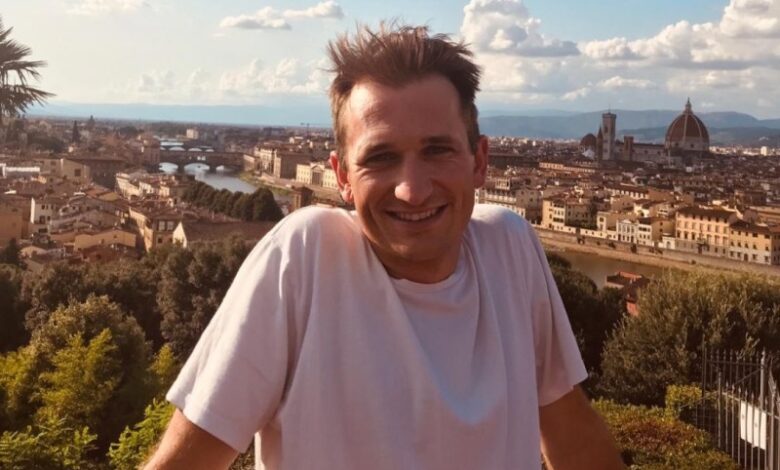
Harry Farley has built a steady and credible career in British journalism through newsroom experience, specialist reporting, and work across multiple BBC platforms. Known today as a Political Correspondent at BBC News, he has developed a reputation for covering complex subjects with clarity, especially in politics, religion, ethics, and public affairs. His professional path shows a journalist who progressed through training, freelance reporting, production roles, and broadcast journalism before reaching a prominent correspondent position.
In an age when journalists are expected to move easily between television, radio, and digital reporting, he represents that modern model well. His work spans the BBC website, TV, and radio, and his public profiles present him as a reporter with both subject depth and newsroom adaptability. That combination has helped shape his standing in the media industry.
Harry Farley and His Current BBC Role
Harry Farley currently works as Political Correspondent at BBC News. In this role, he contributes reporting across the BBC’s website, television output, and radio coverage. This position places him in one of the most visible and demanding areas of British journalism, where speed, accuracy, and balanced reporting are essential.
Political reporting also requires an ability to explain policy, public debate, and party developments in a way audiences can follow. His transition into this role suggests a strong editorial background and the trust of a major national broadcaster. It also reflects how his earlier experience prepared him for a senior and public-facing position.
What Makes His Role Significant
A political correspondent at the BBC is expected to handle fast-moving national stories while maintaining editorial standards. That means understanding institutions, legislation, elections, party strategy, and public reaction. It is not simply about reporting headlines; it is about interpreting why developments matter.
Harry Farley’s role therefore marks an important stage in his career. It shows that he has moved from specialist reporting into one of the central beats in UK journalism. For readers interested in media careers, his journey demonstrates how subject expertise can become a foundation for broader political reporting.
Harry Farley Career Journey
Early Journalism Training
Before entering major newsroom roles, Harry Farley trained in journalism at News Associates. He studied NCTJ Multimedia Journalism there from 2016 to 2017 and achieved a grade A. This training is notable because it combines traditional reporting values with modern multimedia skills, both of which are highly relevant in today’s news environment.
That period likely gave him a strong technical and editorial base. Journalists emerging from this route are usually expected to write quickly, verify facts carefully, and produce work for different formats. Those skills later became visible in the range of roles he held across print, radio, online, and broadcast journalism.
Freelance and Early Professional Experience
His early professional experience included freelance work with The Telegraph and PoliticsHome between June 2018 and September 2018. These roles would have exposed him to political and current affairs journalism in practical, deadline-driven settings. Freelance reporting often sharpens initiative because journalists need to pitch, research, and deliver strong material consistently.
He also worked at the BBC as a Freelance Journalist and Assistant Producer from January 2018 to September 2018. That overlap in experience shows a busy and ambitious period in which he was building credibility across different outlets. It also indicates that he was gaining newsroom exposure before securing longer-term posts.
BBC Production and Broadcast Roles
From October 2018 to June 2019, Harry Farley worked as a Producer at the BBC in Salford. Production work is an important foundation for many broadcast journalists because it develops editorial judgement, planning ability, and an understanding of how stories are shaped for audience delivery.
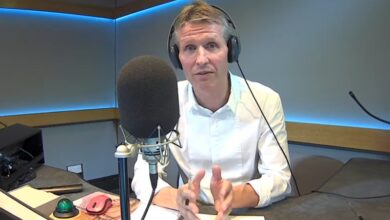
He then moved into a Broadcast Journalist role from June 2019 to April 2020 in London, including work at BBC Radio 4’s Today programme. That is a significant part of his career path, because the Today programme is one of the BBC’s best-known and most influential news programmes. Experience there would have strengthened his grasp of major stories, live output, and high editorial standards.
Harry Farley and His Specialist Reporting Background
Religion, Ethics, and Law Coverage
Before focusing on politics, Harry Farley was publicly described as specialising in religion and ethics at BBC News. His profile also refers to covering religion, ethics, and sometimes law. This specialism gave him a distinctive reporting identity and likely helped him develop expertise in sensitive and complex subject areas.
Reporting on religion and ethics requires care, precision, and a strong understanding of cultural and social issues. It also often touches on legal debates, public values, and questions of national significance. That background may explain why he was well placed to move into political correspondence, where such themes often overlap with public policy.
Senior Broadcast Journalist Period
From April 2020 to January 2024, he served as Senior Broadcast Journalist at BBC News in Greater London. During that time, he described himself as a journalist specialising in religion and ethics, providing stories across BBC outlets on TV, radio, and online. This period appears to have been a major stage in his development.
The title itself suggests increased responsibility, while the cross-platform nature of the work points to versatility. It also shows that he was not confined to one medium. Instead, he was operating across the full range of modern BBC news delivery, which would have strengthened his profile inside the organisation.
Harry Farley Education and Academic Background
University of Manchester
Harry Farley studied at The University of Manchester from 2011 to 2014, earning a Bachelor’s degree in Religions and Theology. He graduated with a First Class Degree with Honours. This academic background connects clearly with the specialist subject area he later covered professionally.
A degree in Religions and Theology can provide strong analytical training, close reading skills, and the ability to handle sensitive topics thoughtfully. These qualities are highly relevant in journalism, especially when dealing with belief, ethics, identity, and public debate. His academic record also reflects a high level of achievement before entering the media profession.
How Education Shaped His Journalism
His university studies appear to have given him more than subject knowledge. They likely helped shape the thoughtful and specialist angle that marked part of his reporting career. Journalists who can combine academic grounding with newsroom experience often bring extra depth to stories that go beyond surface-level coverage.
That educational foundation may also explain the consistency in his career profile. Rather than taking a random path, he seems to have built a journalism career that connected his academic interests with practical reporting opportunities, especially in religion and ethics before his shift into politics.
Harry Farley on Social Media and Public Profile
Instagram and Professional Identity
The Instagram profile shared under the name harryfarls presents him as a BBC News journalist focused on religion, ethics, and sometimes law. The short biography is simple, professional, and clearly linked to his reporting identity. Even with limited posts and a modest follower count, it reflects a consistent public image.
This matters because consistency across public platforms helps confirm a journalist’s professional brand. In his case, the same themes appear repeatedly: BBC affiliation, specialist reporting, and openness to story tips from the public.
X Presence and Public Contact
His X profile, using the handle @HarryFarley_, describes him as a Political Correspondent at BBC News and notes that he previously covered religion. It also says that direct messages are open and that people can get in touch with stories. This is very much in line with how working journalists use the platform.
The wording also links his past and present beats clearly. It shows continuity rather than reinvention. That makes his public profile stronger and more coherent, especially for readers or viewers trying to understand his career progression.
Final Thoughts
Harry Farley’s career reflects steady professional growth, strong training, subject expertise, and adaptability across platforms. From journalism education at News Associates to freelance roles, BBC production work, specialist broadcast journalism, and finally political correspondence, his path is structured and credible.
What stands out most is the combination of specialist knowledge and practical newsroom experience. He did not appear suddenly in a high-profile role. Instead, he built toward it through training, reporting, production, and cross-platform work. That progression gives his career a solid foundation and helps explain why he is now recognised as an important BBC political journalist.
FAQs
Who is Harry Farley?
Harry Farley is a British journalist who works for BBC News as a Political Correspondent in London. Public professional profiles show he works across the BBC website, TV, and radio, and previously covered religion and ethics.
Is Harry Farley married?
There is no reliable public source I could find confirming that Harry Farley is married. His public BBC-related profiles focus on his journalism career and do not state a spouse or marriage, so his marital status appears not publicly confirmed.
Does Harry Farley have a Wikipedia page?
I could not find a standalone Wikipedia biography page for Harry Farley. Wikipedia does show pages that cite his reporting as a BBC journalist, but not a dedicated page about him.