Reha Kansara: The BBC Journalist Shaping Global Stories on Human Rights, Identity and Digital Truth
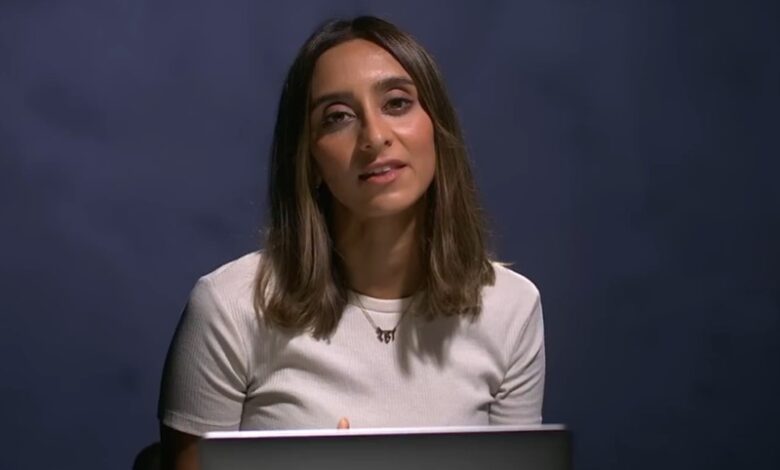
Reha Kansara is a British investigative journalist and BBC reporter recognised for her powerful work across radio, video, documentary and digital investigations. She is known for telling global stories with a strong focus on human rights, disinformation, online harm, identity, migration and the relationship between digital platforms and real-world consequences.
Her work is closely associated with BBC News, BBC Verify, BBC Trending and the BBC’s global disinformation coverage. She has built a strong journalistic voice by combining traditional storytelling with modern verification techniques, including open-source intelligence, social media analysis and digital evidence gathering.
Kansara’s journalism often explores how power, politics, technology and personal history meet. Her stories are not only about events; they also examine the people affected by those events. This gives her work emotional depth while maintaining strong investigative discipline.
Reha Kansara Quick Info
| Field | Details |
|---|---|
| Full Name | Reha Kansara |
| Hindi Name | रेहा कंसारा |
| Profession | Investigative Journalist, Reporter |
| Known For | BBC Verify, BBC Trending, digital investigations, online human rights and disinformation reporting |
| Current Organisation | BBC News |
| Work Area | Global reporting for radio, video and digital platforms |
| Main Journalism Focus | Human rights, OSINT, misinformation, disinformation, surveillance, identity and migration |
| Location | London, United Kingdom |
| Nationality | British |
| Heritage | East African Indian heritage |
| Family Background | Her father grew up in Zanzibar and Kenya; her mother moved to the UK after the 1972 Ugandan Asian expulsion |
| Former Roles | BBC Africa Correspondent, BBC Global Religion Correspondent |
| Major Documentary Work | Go Back to Where You Came From, Expelled from Uganda, Nika’s Last Breath, Woman, Life, Surveillance |
| Audio Work | Finding Home in Uganda |
| Major Award | Journalist of the Year — Asian Media Awards 2023 |
| 2025 Recognition | Woman, Life, Surveillance won Report of the Year at the Asian Media Awards |
| Age | Not publicly confirmed |
| Date of Birth | Not publicly available |
| Wikipedia | No dedicated Wikipedia page |
| @rehakansara | |
| X/Twitter | @rehakansara |
| Languages | English, Hindi, Spanish, Gujarati |
| Category | Journalist / Media Personality |
Reha Kansara and Her BBC Career
Reha Kansara has worked for the BBC in multiple roles, covering international stories for both audio and visual platforms. Her work includes radio features, video journalism, digital documentaries and investigative pieces. She has served as a reporter for BBC Trending and BBC Verify, where she has focused on disinformation, online communities and digital human rights. These areas have become increasingly important in modern journalism as false narratives, manipulated media and online abuse influence politics, public opinion and vulnerable communities.
BBC Trending and Digital Investigations
At BBC Trending, Kansara has worked on stories that examine the connection between social media and society. Her journalism has covered misinformation, conspiracy movements, online targeting, digital surveillance and the human impact of internet culture.
Her work does not treat the digital world as separate from real life. Instead, she shows how online narratives can affect elections, public health, protests, identity, safety and trust. This approach has made her a distinctive voice in modern investigative journalism.
BBC Verify and OSINT Storytelling
BBC Verify focuses on checking facts, analysing evidence and explaining complex stories with clarity. Kansara’s work fits naturally into this environment because she combines OSINT techniques with narrative storytelling.
OSINT, or open-source intelligence, uses publicly available digital material such as videos, photographs, satellite images, documents and social media posts to verify claims. In Kansara’s journalism, these techniques support deeply human stories rather than replacing them. She uses evidence to build accountability, but the centre of her work remains the people whose lives are shaped by conflict, injustice or online harm.
Reha Kansara as Africa Correspondent
Reha Kansara has also served as the BBC’s Africa Correspondent from Nairobi. In this role, she covered major regional issues, including the pandemic and conflict-related stories in East Africa. Her East African coverage carries personal and professional meaning. Kansara is of East African Indian heritage, and her family history connects strongly with Uganda, Kenya and Zanzibar. This background gives added depth to her work on East African identity, migration and historical memory.
As a correspondent, she has shown an ability to cover urgent news while also exploring the historical and human context behind events. Her work demonstrates why global journalism needs reporters who can connect facts, place, history and lived experience.
Reha Kansara’s East African Indian Heritage
One of the most important parts of Kansara’s story is her East African Indian heritage. Her father grew up in Zanzibar and Kenya, while her mother moved to the United Kingdom after the 1972 Ugandan Asian expulsion. The expulsion of Asians from Uganda under Idi Amin remains one of the most painful chapters in East African and British migrant history. Thousands of Ugandan Asians were forced to leave the country within a short deadline, leaving behind homes, businesses, memories and communities.
Kansara has spoken through her work about how East African history is also Indian and British history. This perspective is central to her storytelling. It challenges narrow ideas of national history and shows how migration, empire, displacement and belonging are deeply connected.
Her Mother’s Return to Uganda
For the 50th anniversary of the Ugandan Asian expulsion, Reha Kansara followed her mother and aunt as they returned to Uganda together for the first time. This became part of her moving audio work, Finding Home in Uganda.
The journey was both personal and journalistic. It explored memory, loss, return and identity. Through her mother and aunt’s experience, Kansara examined what it means to revisit a place that shaped a family’s history but was also marked by trauma and forced departure.
This kind of work shows her strength as a journalist: she can approach personal history with sensitivity while connecting it to a wider political and historical story.
Reha Kansara Documentaries and Major Work
Reha Kansara’s portfolio includes documentaries and investigations for BBC platforms. Her work often focuses on communities affected by displacement, conflict, racism, online abuse or state power.
Go Back to Where You Came From
Go Back to Where You Came From is one of her notable documentaries for BBC Three and iPlayer. The title reflects a racist phrase often directed at people from migrant or minority backgrounds, even when they were born or raised in Britain.
The documentary explores belonging, racism, identity and the emotional impact of being treated as an outsider. It also connects with Kansara’s own family history and the experiences of people whose British identity is questioned because of race, heritage or migration.
Expelled from Uganda
Expelled from Uganda is another key documentary connected to the 1972 expulsion of Ugandan Asians. The documentary addresses the historical impact of Idi Amin’s order and the experiences of people who had to rebuild their lives elsewhere. For Kansara, this subject is not distant history. It is tied to her family roots and the wider story of East African Indians in Britain. Her approach gives the documentary both historical weight and emotional honesty.
Nika’s Last Breath
Nika’s Last Breath is part of her investigative work and reflects her interest in human rights and accountability. The title points towards the human cost behind political crisis and conflict. Kansara’s strength lies in giving such stories clarity, evidence and emotional force.
Woman, Life, Surveillance
Woman, Life, Surveillance is one of Kansara’s major recent works. It focuses on digital human rights and the Woman Life Freedom movement. The work examines surveillance, testimony, video evidence and the risks faced by women whose voices challenge power.
The project received major recognition at the Asian Media Awards, where it won Report of the Year. The success of this work highlights Kansara’s ability to bring together courage, verification and impactful storytelling.
Awards and Recognition
Reha Kansara has received strong recognition across journalism and media awards. Her achievements reflect the range and quality of her work.
In 2020, she was named in the Radio Academy 30 Under 30. The same year, she was shortlisted for the Gaby Rado Young Journalist of the Year by Amnesty International and included in the Future Ethnic Minority Top 100 Leaders by EMpower and Yahoo.
In 2021, The Anti-vax Files won in the Current Affairs category at the New York Radio Festival Awards. The same project was also honoured by the Webby Awards. The Denial Files received Webby recognition as well.
In 2023, Kansara won Journalist of the Year at the Asian Media Awards. In 2024, Exposing People Smugglers was shortlisted for Investigation of the Year at the Asian Media Awards. In 2025, Woman, Life, Surveillance won Report of the Year at the Asian Media Awards and was shortlisted in the broadcast news category at the Amnesty Awards.
These achievements show her growth from a young journalist with promise into an established investigative reporter with a clear global voice.
Reha Kansara’s Journalism Style
Kansara’s journalism is marked by three strong qualities: evidence, empathy and context. She does not rely on emotion alone, but she does not remove emotion from the story either. Her work uses evidence to establish truth, then uses storytelling to make that truth matter.
She has a strong sense of social justice and journalistic integrity. BBC Trending editor Mike Wendling praised her as a true team player who can both strengthen colleagues’ work and generate original ideas with a strong commitment to justice and integrity.
This reputation is important because investigative journalism is rarely a solo act. It requires editors, producers, researchers, fixers, translators, local journalists and people willing to share difficult testimony. Kansara’s work reflects collaboration as much as individual skill.
Education, Skills and Languages
Reha Kansara studied Spanish and English before moving into television journalism at postgraduate level. Her language skills include Gujarati, Hindi and Spanish. These abilities support her international work and help her engage with different communities, sources and cultural contexts.
Her command of languages also reflects the global nature of her journalism. She covers stories that cross borders, histories and identities, so linguistic and cultural awareness are valuable parts of her professional skill set.
Reha Kansara Age, Wikipedia and Personal Life
Reha Kansara’s exact age and date of birth have not been confirmed in a reliable official biography. Because she was named in the Radio Academy 30 Under 30 in 2020, she was under 30 at that time. Her current age should not be stated as fact without direct confirmation.
There is currently no dedicated Wikipedia biography page for her. Her husband, children and detailed private family life have not been verified through reliable sources. Professional articles should avoid unsupported personal claims and focus on her confirmed career, heritage and journalism.
Social Media Presence
Reha Kansara uses the handle @rehakansara on Instagram and X/Twitter. Her social media identity reflects her work as a BBC journalist and her British, Ugandan and Indian heritage. She has shared professional updates, including recognition for Woman, Life, Surveillance, and often directs attention towards the people and teams behind her investigations.
Conclusion
Reha Kansara is one of the notable BBC journalists working at the intersection of human rights, digital truth and global storytelling. Her career spans BBC Trending, BBC Verify, documentary work, Africa correspondence and investigations into disinformation and online harm.
Her East African Indian heritage gives powerful context to her work on Uganda, migration and identity. Her documentaries and audio features show how family memory can open a wider conversation about history, displacement and belonging.
Through projects such as Finding Home in Uganda, Expelled from Uganda, Go Back to Where You Came From and Woman, Life, Surveillance, she has built a body of work that is both deeply human and journalistically rigorous. Her awards reflect professional excellence, but her real impact lies in the stories she brings forward: stories of truth, courage, identity and accountability.
FAQs
1. Who is Reha Kansara?
Reha Kansara is a British investigative journalist and BBC reporter known for her work with BBC News, BBC Verify and BBC Trending. She covers global stories across radio, video and digital platforms, with a strong focus on human rights, disinformation, OSINT and online harm.
2. What is Reha Kansara known for?
Reha Kansara is known for investigative reporting on the intersection of human rights and the digital world. Her notable work includes Go Back to Where You Came From, Expelled from Uganda, Finding Home in Uganda, Nika’s Last Breath and Woman, Life, Surveillance.
3. What is Reha Kansara’s heritage?
Reha Kansara is of East African Indian heritage. Her father grew up in Zanzibar and Kenya, while her mother moved to the United Kingdom after the Ugandan Asian expulsion in 1972. This family history has influenced some of her BBC documentary and audio work.
4. How old is Reha Kansara?
Reha Kansara has not publicly confirmed her exact age or date of birth. She was included in the Radio Academy 30 Under 30 in 2020, which confirms she was under 30 at that time, but her exact age should not be stated without official confirmation.