Earlham Institute: Advancing Genomics for a Sustainable Future
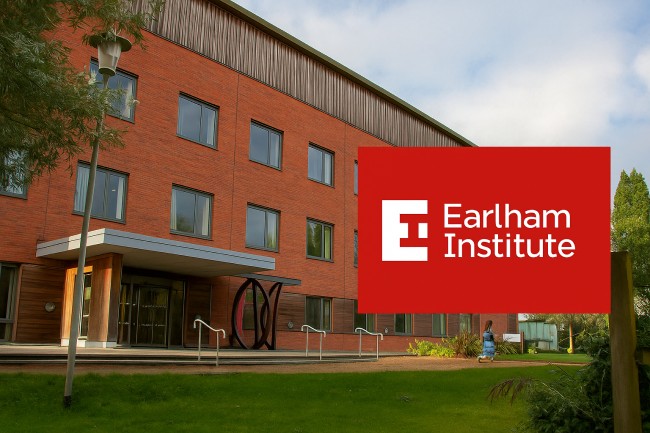
The Earlham Institute stands as one of the United Kingdom’s most influential centres for genomics and data-driven life science research. Established in 2009 and based at the Norwich Research Park, the institute plays a vital role in decoding the complexity of living systems. Its work integrates cutting-edge biotechnology, advanced computational methods, and biological expertise to address challenges related to health, biodiversity, agriculture, and the environment.
With a mission to “decode the scale and complexity of living systems so we can understand, benefit from, and protect life on Earth,” the Earlham Institute has become an international leader in genomics innovation. Its interdisciplinary approach combines high-performance computing, next-generation sequencing, bioinformatics, and engineering biology to drive scientific discovery and global impact.
The Role and Purpose of the Earlham Institute
The Earlham Institute operates at the intersection of biology and technology. Its research programmes are structured to support both fundamental biological understanding and practical solutions for the world’s most pressing issues.
Decoding Living Systems through Genomics
At the heart of the institute’s work is genomics, the study of genetic material across all forms of life. By sequencing and analysing genomes, researchers uncover the biological mechanisms that define organisms, ecosystems, and evolutionary relationships. This knowledge provides essential insights into disease, adaptation, and diversity.
Data-Driven Biology and Computational Innovation
A distinguishing strength of the Earlham Institute is its advanced computational bioscience capability. State-of-the-art computing infrastructure allows scientists to process and interpret massive biological datasets with precision and speed. Through data science, machine learning, and bioinformatics, the institute transforms raw genomic data into meaningful discoveries.
Biotechnology for Real-World Solutions
The institute’s work is also deeply rooted in biotechnology and engineering biology, enabling breakthroughs in agriculture, conservation, and healthcare. By integrating synthetic biology, single-cell technologies, and spatial transcriptomics, the Earlham Institute develops innovative tools and resources that support global research communities.
Strategic Importance within the Norwich Research Park
The Earlham Institute is one of eight major research organisations receiving strategic funding from the Biotechnology and Biological Sciences Research Council (BBSRC). This strategic positioning reflects its national significance and long-term contribution to UK science.
Its location in the Norwich Research Park allows it to collaborate closely with other scientific institutions, universities, and industry partners. Together, they form a dynamic ecosystem that advances life science research, stimulates innovation, and contributes to economic development.
Key Research Strengths of the Earlham Institute
Biodiversity and Conservation
By applying genomics to wildlife, plants, and microorganisms, the institute supports efforts to protect endangered species, monitor ecosystems, and understand biodiversity at the molecular level. This research is essential in addressing global environmental challenges such as climate change and habitat loss.
Food Security and Sustainable Agriculture
With growing demand for resilient food systems, the Earlham Institute contributes groundbreaking research in agritech. Its scientists develop genomic resources for crops such as wheat and barley, improving yield, resilience, nutritional quality, and disease resistance. This work helps create sustainable agricultural solutions for future generations.
Health and Biomedical Research
The institute’s expertise extends to human and animal health. Genomic technologies enable the identification of disease markers, the study of genetic disorders, and the development of personalised medical approaches. The integration of genomics and engineering biology helps accelerate medical innovation and understanding of complex biological processes.
Interdisciplinary Teams and Specialist Expertise
The Earlham Institute employs between 51 and 200 professionals, with more than a hundred additional members affiliated through LinkedIn. Its team includes biologists, data scientists, engineers, computational researchers, and biotechnology specialists. This rich diversity of expertise allows the institute to pursue highly complex scientific questions from multiple angles.
Specialised Research Areas
The institute’s core strengths span a wide range of disciplines, including:
Genomics
Bioinformatics
Next-generation sequencing
Data science
Synthetic biology
Engineering biology
Agritech
Biodiversity and ecosystem research
Single-cell analysis
Spatial transcriptomics
Life science innovation
This breadth positions the Earlham Institute as a global hub for technological and scientific advancement.
Contribution to Scientific Innovation and Society
The impact of the Earlham Institute extends far beyond academic research. Its work contributes directly to social, economic, and environmental progress.
Training and Capacity Building
In addition to delivering research excellence, the institute provides training, workshops, and educational programmes for scientists worldwide. These initiatives strengthen global capacity in genomics, data science, and biotechnology.
H3: Enabling Global Collaboration
The Earlham Institute collaborates with universities, government bodies, international research networks, and industry partners. By sharing genomic resources, computational tools, and technological expertise, it helps accelerate research in numerous fields and supports open, collaborative science.
Driving Economic Impact
The combination of innovation, research infrastructure, and skilled talent contributes significantly to the UK’s biotechnology ecosystem. Agritech advancements, data-driven tools, and genomic technologies developed at the Earlham Institute support industries ranging from agriculture and healthcare to conservation and bioengineering.
Earlham Institute — Quick Info Chart
| Category | Details |
|---|---|
| Name | Earlham Institute (EI) |
| Founded | 2009 |
| Location | Norwich Research Park, Colney Lane, Norwich, NR4 7UZ, United Kingdom |
| Industry | Biotechnology Research |
| Mission | Decoding the complexity of living systems to protect and understand life on Earth |
| Core Strengths | Genomics, Bioinformatics, Data Science, Engineering Biology |
| Specialties | Next-generation sequencing, biodiversity genomics, agritech, synthetic biology, single-cell analysis |
| Key Focus Areas | Health, Biodiversity, Food Security |
| Parent Funding Body | BBSRC (UK Research & Innovation) |
| Website | earlham.ac.uk |
| Tagline | Data-driven biology powering global innovation |
Conclusion
The Earlham Institute plays a transformative role in modern life science research. Through its integration of genomics, data science, biotechnology, and engineering biology, it provides powerful solutions for global challenges related to health, food security, and biodiversity. Its strategic location at the Norwich Research Park, combined with world-class expertise and BBSRC support, ensures that the institute remains at the forefront of scientific innovation.
By decoding the complexity of living systems, the Earlham Institute strengthens our understanding of life on Earth and contributes to building a more sustainable, secure, and scientifically informed future.