How to Select the Right Surgical Hair Caps for Hospitals and Clinics
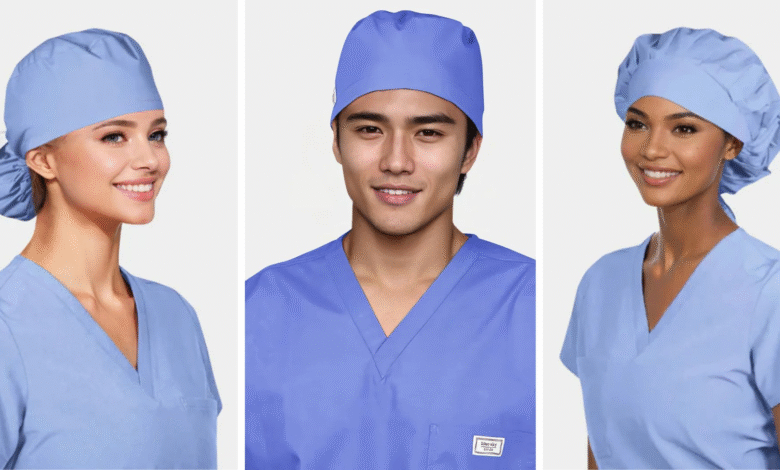
Safeguarding hospitals and clinics as sterile spaces is not a luxury; it’s a necessity. One of the small but important aspects of infection prevention, surgical hair caps are a bigger piece of the puzzle than many may realize. They are designed to act as a barrier against hair and skin particles on the head, protect patients during surgical procedures, and help prevent splashes from electrocautery or laser procedures.
For hospitals and clinics, choosing the right surgical hair caps is not only about price. This includes assessing the quality of the material, comfort, fit, compliance needs, and appropriateness for various medical conditions. The incorrect selection may cause staff discomfort, noncompliance, and increased contamination risk.
This article offers a step-by-step guide to choosing the best surgical hair caps for hospitals and clinics. Whether you are in charge of purchasing, supervising infection control, or maintaining a private clinic, this article can help you take an informed and practical approach.
Why Surgical Hair Caps Are Essential in Medical Facilities
Hair is an organic habitat for bacteria, skin flakes, and airborne contaminants. In healthcare settings, particularly in the operating room and procedure areas, these particles can contaminate sterile surfaces and cause infections.
Hairnets are a simple yet effective shield. They hold hair, minimize shedding and help keep clean air in your home/ndash especially during seasons when you might need to keep windows and doors closed. In no place is this more crucial than in the operating room, wound care, dental work, and laboratory settings.
In addition to patient safety, the hair cap helps comply with professional hygiene regulations. Wearing appropriate protective helmets by staff builds discipline, conformity, and confidence in the clinical environment.
Regulatory requirements. Many infection control procedures require staff to cover their hair; for example, many regulations require all food production staff to wear a head covering. The right surgical hair caps ensure facilities remain in compliance with internal standards and established hygiene protocols.
Types of Surgical Hair Caps Used in Hospitals and Clinics
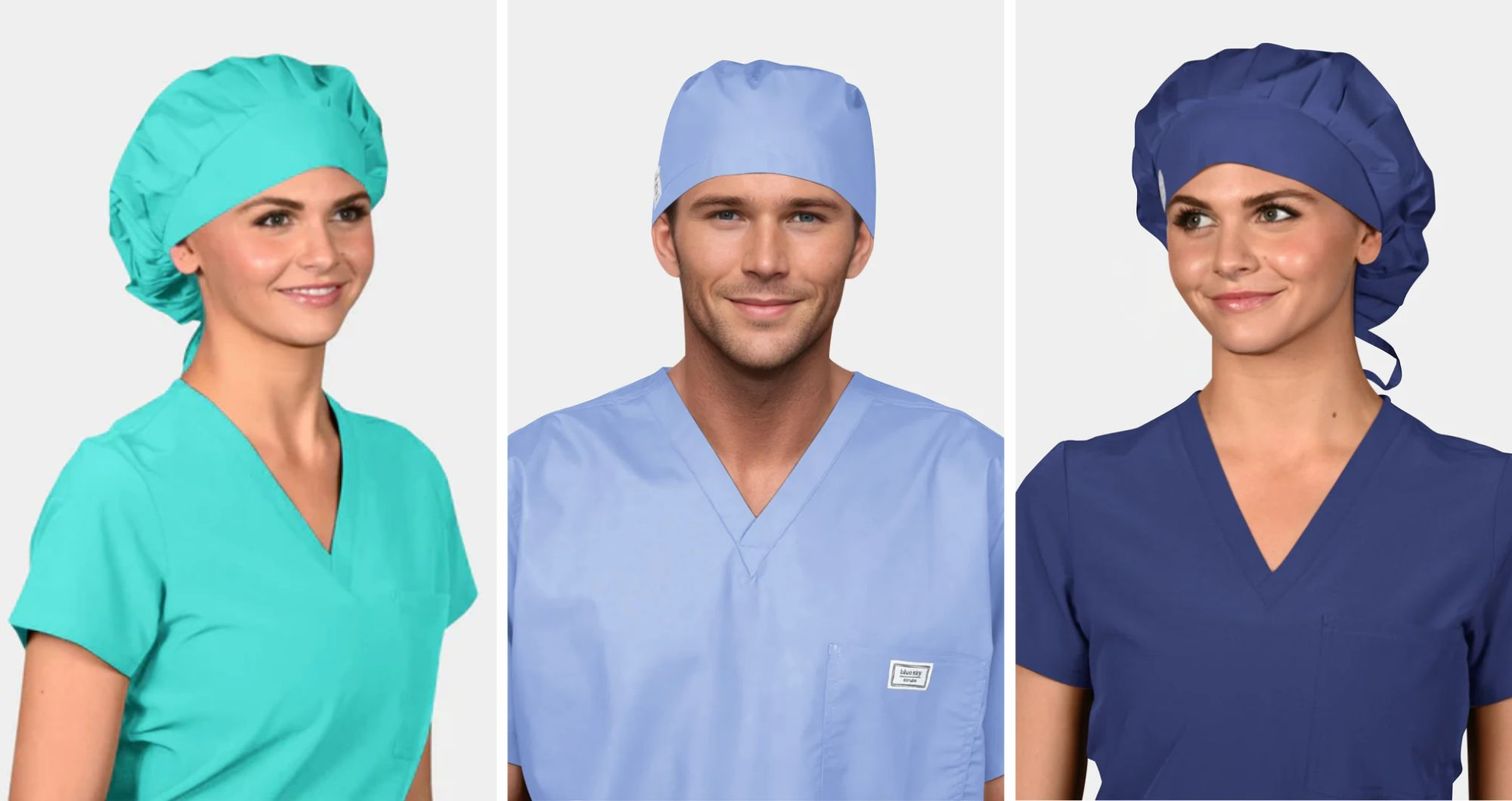
Let’s be clear - not all surgical hair caps are created equal. Patients may need multiple types of masks, with varying styles, coverage levels, and materials, for different medical settings. Once you know about these choices, it doesn’t take much to decide.
Bouffant Caps
Bouffant caps are one of the most popular in hospital use. They offer full coverage and are great for staff with long or thick hair.
Such caps are generally disposable and made of nonwoven polypropylene. They are roomy enough to hold all your hair without pulling and don’t cause tension headaches, even after long shifts.
Bouffant Caps are frequently used in operating rooms, sterile processing facilities, and in pharmacy areas when wearing scrubs for maximum protection.
Surgeon Caps
Surgeon caps sit closer to the head and provide a professional fit. They are generally fastened in the back or with elastic and are favoured by surgeons and senior attending medical staff.
These caps could be single-use or reusable, depending on the facility’s infection control practices . Reusable styles need to be thoroughly washed and sterilized after each use.
Surgeon caps are a nice choice if you want comfort, style , and a fit that reflects your personal preferences when working long days.
Mob Caps
There are also “mob caps,” which are practically the same thing but constitute more of a mop on your head. They are inexpensive and straightforward to use, which is why they’re found everywhere, from clinics and laboratories to non-surgical areas of the hospital.
Although not as impervious as a bouffant , they are ideal for low-risk areas where protection against bloodborne pathogens is needed.
Mob caps are commonly worn in outpatient clinics, dental offices, and diagnostic centers.
Key Factors to Consider When Selecting Surgical Hair Caps
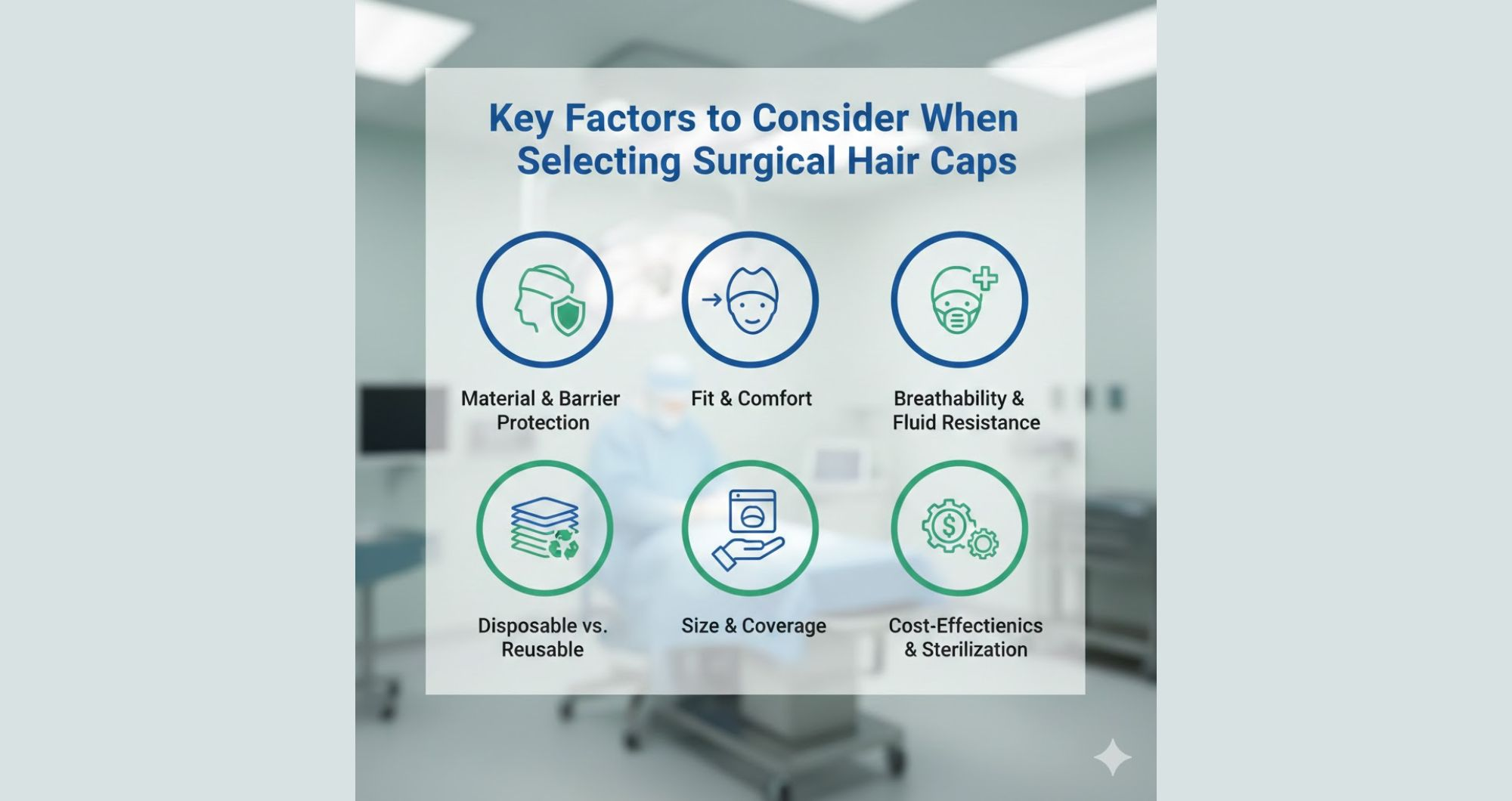
The proper selection of surgical hair caps involves consideration of safety, comfort, acceptability and cost. Below are the key things to consider.
Material Quality and Breathability
The majority of disposable surgical hair caps are made from nonwoven polypropylene. This is lightweight, breathable, and will do its job of keeping all hair and particles in.
Premium materials allow airflow and make it comfortable to wear during lengthy procedures. Loose or low-quality fabric can tear, and staff who become uncomfortable may adjust the caps or take them off improperly.
Find latex-free caps that work for sensitive skin so you don’t experience an allergic reaction.
Comfort and Fit for Long Shifts
Comfort directly affects compliance. If a hair cap is too tight, slips around the head easily or irritates, staff members are less inclined to wear it correctly for the entirety of their shift.
We’re talking elastic strength, cap depth, sizing options — it all counts. Bouffant caps should fully cover the hair without compressing the scalp, while fitted caps should stay secure without creating pressure points.
Sampling testing before ordering in bulk is an innovative practice for hospitals and clinics.
Disposable vs Reusable Options
Disposable surgical hair covers are also very popular for infection control. They eliminate the need to wash, launder, and risk cross-contamination. Reusable caps may be a cheaper option in the long run, but strict cleaning and sterilization procedures must be adhered to. They are generally preferred by surgeons who favour a customized fit.
Workload, number of uses, and risks of sterilization failure should be considered by facilities before selecting reusable alternatives.
Compliance and Safety Standards
Surgical hair caps should be made to the same quality and safety standards recognized in hospitals and other healthcare facilities. Similar to regional requirements, procurement staff frequently seek compliance with industry-accepted infection prevention practices.
The use of compliant items can facilitate audits, inspections, and internal quality assurance processes. It even shows dedication to patient care.
Cost Efficiency and Bulk Purchasing
Cost is essential, but it certainly should not be the only consideration. The least expensive may not be durable enough, may make staff less happy, and may have to be replaced more often.
Hospitals and clinics frequently have bulk purchasing contracts that guarantee consistent quality and supply. Reliable vendors help prevent shortages and last-minute substitutions that lower standards.
Surgical Hair Cap Requirements by Medical Setting
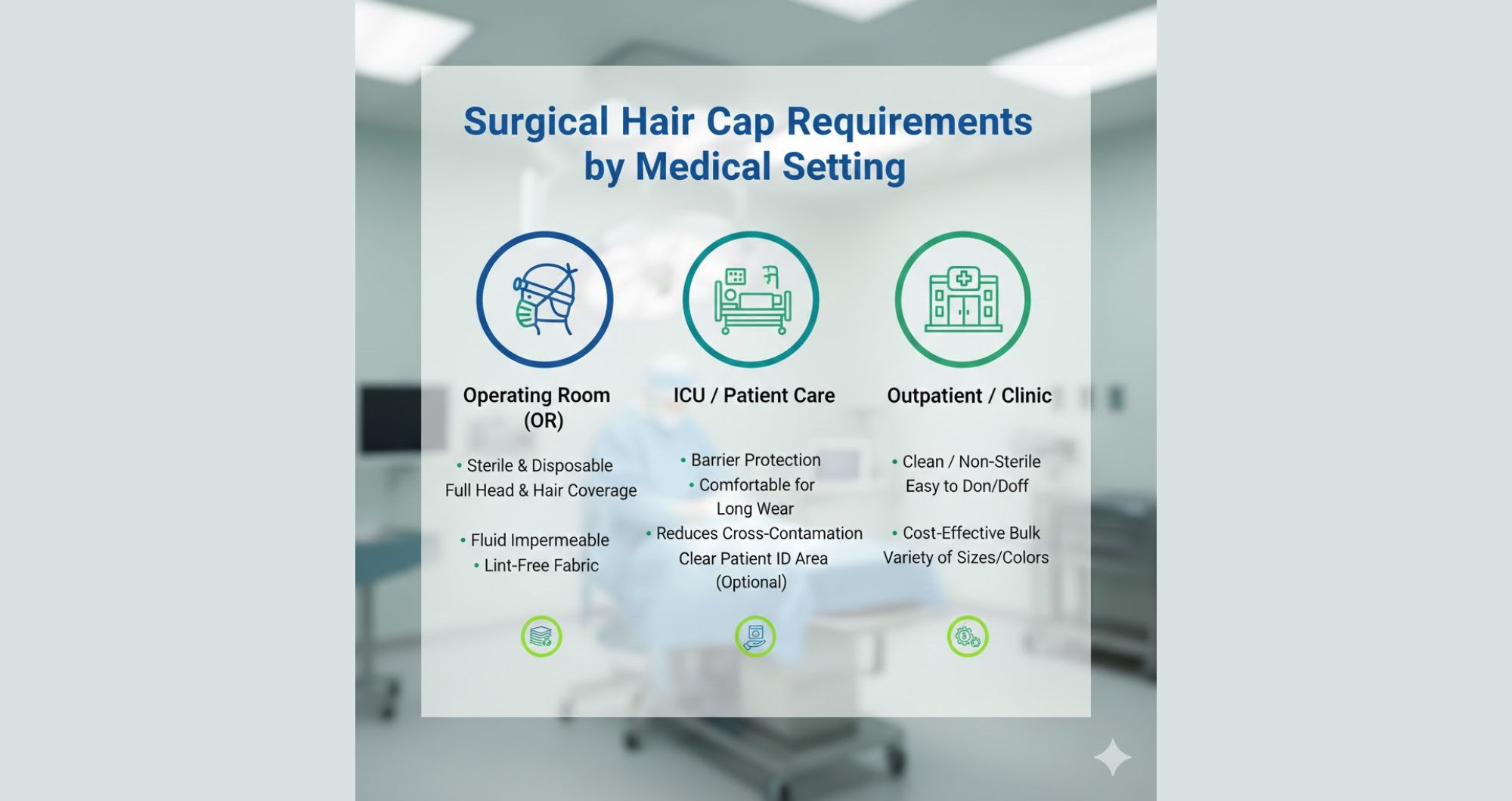
Health care settings can vary in their risk levels. Matching the type of hair cap to the environment increases safety and productivity.
Operating Rooms
ORs have the strictest guidelines for hair containment. Bouffant caps or full-coverage surgical caps are generally recommended because they can help reduce contamination.
Caps should hold in place during lengthy procedures and provide full coverage for all hair lengths.
Clinics and Outpatient Centers
Hygiene and practicality are often weighed in clinics. Mob caps or disposable, lightweight caps are usually adequate for routine examinations and minor procedures.
Here, the comfort and simplicity of use have to be considered most.
Dental Clinics
Dental offices are close-proximity environments for patients and their aerosols. Hair caps keep hair off the skin and out of wounds, which is especially helpful when dealing with both staff and patients.
Disposable caps are widely used for fast patient switching.
Laboratories and Diagnostic Units
In laboratories, hair containment aids cleanliness and protects samples from external contamination. Light, airy caps can also be appropriate, depending on the work.
Understanding the Role of Surgical Skull Caps
In many places, surgical skull caps are worn just as any other hair covering would be, but they serve a purpose. Our caps provide ample coverage and offer a secure fit while wearing them – perfect in the OR for doctors who need extra bonnet space, surgeons who have long hair and for other specialists.
Skull caps are useful when head motion is common, and precision is essential. They also minimize slipping and provide steady coverage during lengthy procedures.
During the selection process for skull caps, facilities should also consider wear options that offer complete coverage and provide the same exacting level of barrier protection as other options in this category of surgical headwear.
Common Mistakes Hospitals Make When Choosing Hair Caps
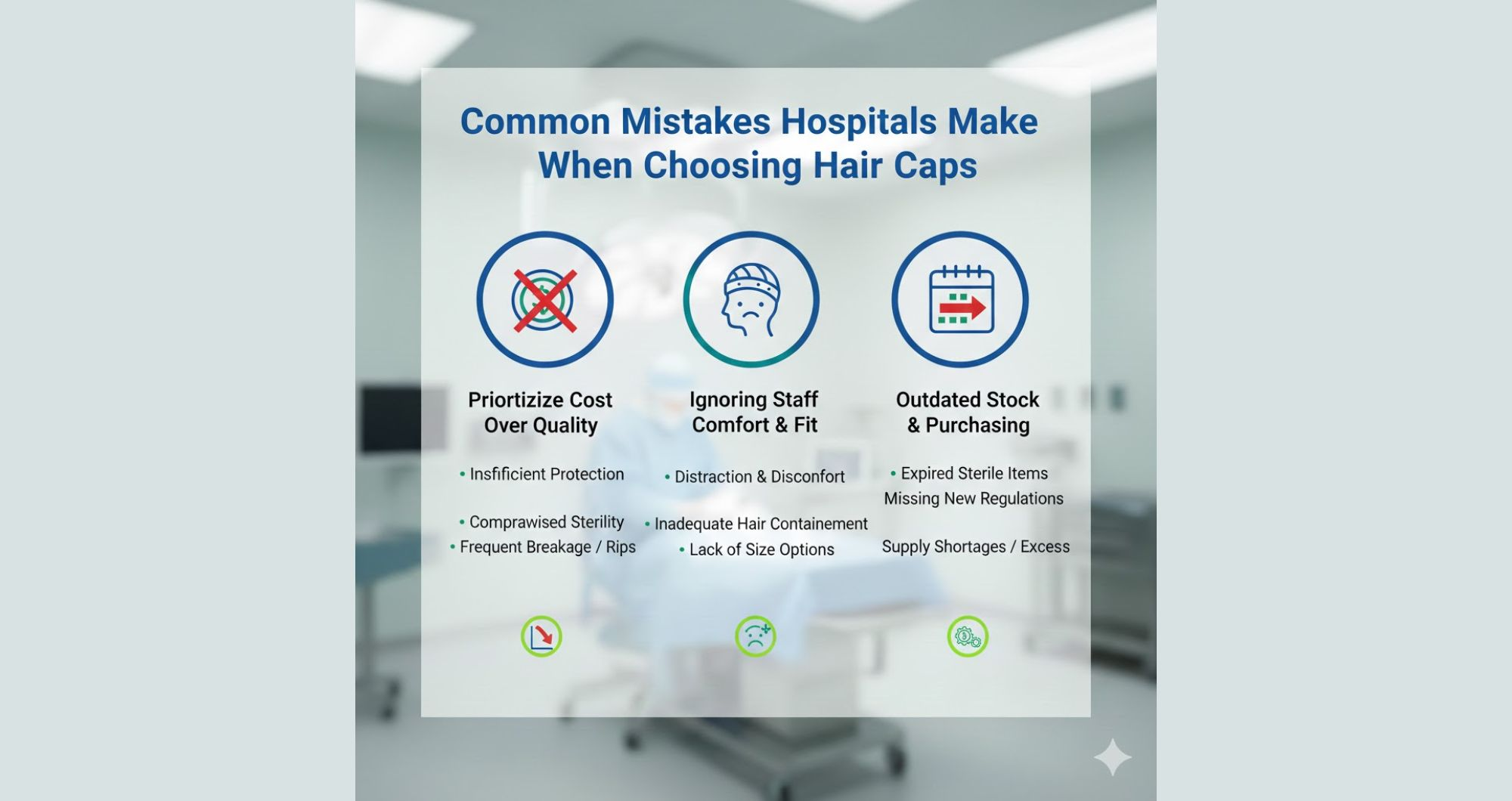
Too many facilities, for all their good intentions, screw up when they choose surgical hair caps.
One of the frequent mistakes is selecting solely by price. Low price caps often trade off comfort, material quality, elasticity, and/or coverage, resulting in poor compliance.
Another error is a failure to listen to staff feedback. If the health care workers don’t like it or it’s not convenient for them, they won’t wear it properly.
Bad sizing and inventory mismanagement also contribute to problems. Depletion of approved caps often results in subpar substitutions.
By preventing these errors, safety and staff happiness are enhanced.
How to Ensure Consistent Supply and Quality
A strong supply line is just as critical as product offerings. Hospitals and clinics should collaborate with vendors that can deliver products of consistent quality, exact specifications, and reliable delivery schedules.
Quality control is vital for maintaining standards. Performance can be affected by even minor changes in material composition or elastic strength.
Establishing long-term relationships with suppliers often results in better pricing, stable inventory, and fewer disruptions, particularly during periods of high demand.
Sustainability and Environmental Considerations
Many hospitals are becoming more attuned to their environmental impact. Disposable hair caps create waste, though some brands now offer recyclable or reduced-material options.
Reusable caps can cut down on waste, but proper infrastructure must be in place for laundering. Facilities should carefully balance sustainability goals with infection control priorities.
Clear policies can help strike the right balance between environmental responsibility and patient safety.
Final Thoughts on Selecting Surgical Hair Caps
Selecting the appropriate surgical hair caps for your hospitals or clinics can seem like a mundane task, but it carries real safety implications. The ideal is a good compromise between comfort and coverage, compliance, cost and hygiene.
Understanding various cap types, assessing material quality, and choosing appropriate products for specific medical environments can help healthcare facilities enhance infection control and staff adherence.
Some in the medical profession also trust reputable suppliers known for healthcare-specific experience (you’ll hear about companies like Blue Sky Scrubs when considering the quality of professional medical attire). But the bottom line is that it will depend on your facility and standards as well.
Frequently Asked Questions
Are surgical hair caps mandatory in hospitals?
In many areas, hair caps are required in operating rooms and sterile environments. Policies vary by facility and procedure type.
How often should disposable surgical hair caps be replaced?
Disposable caps should be replaced after each use or when they become damaged or contaminated.
Are reusable hair caps safe for hospitals?
They can be safe if strict laundering and sterilization protocols are followed consistently.
What size hair cap is best for hospital staff?
Facilities should offer multiple sizes or styles to accommodate different hair lengths and head shapes.
Can clinics use the same hair caps as hospitals?
Yes, but the level of coverage should match the risk level of the procedures being performed.