How Technology Is Making Newborn Feeding Easier for Modern Mums
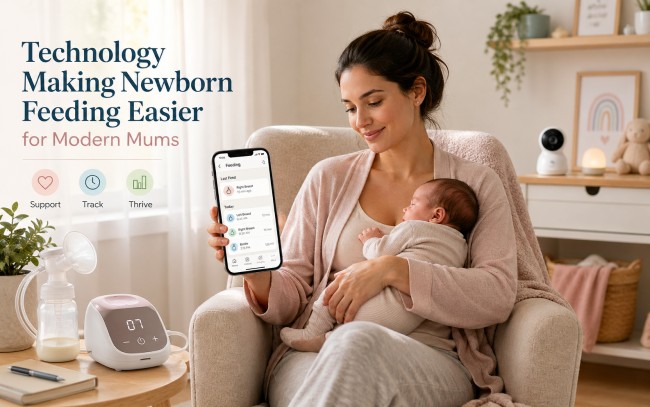
Technology is quietly transforming how mothers approach newborn care—especially when it comes to feeding. While many expect breastfeeding for the first time to feel natural, the reality often involves a mix of learning, adjustment, and uncertainty in those early days.
Today, modern tools are helping ease that transition. From smart tracking apps to innovations like an electric breast pump, feeding is becoming more flexible and manageable. At the same time, access to guidance on choosing the best breast pump allows mothers to make more confident decisions from the start. Instead of navigating everything alone, mums now have practical support that fits into their daily routines.
The Reality of Feeding a Newborn
The early days of feeding can feel unpredictable. While some babies latch easily, others take time to adjust. For many mums, feeding quickly becomes a full-time commitment that revolves around their baby’s needs.
Common challenges include:
- Uncertainty around feeding frequency
- Concerns about milk supply
- Physical fatigue from frequent sessions
- Balancing feeding with recovery and daily responsibilities
For first-time mothers, this stage can feel especially intense. Without a clear routine, days can blur together, making it difficult to track feeding patterns or recognize what’s normal. Traditional advice and support networks remain important, but they don’t always address the practical side of modern motherhood—where flexibility, time management, and independence play a big role. This is where technology steps in, offering tools that simplify and support the process in a more structured way.
Smart Breast Pumps Are Changing the Game
Breast pumps have evolved significantly over the years. What was once a bulky, stationary device is now a streamlined, user-friendly tool designed to fit seamlessly into everyday life. For many mums, finding the best breast pump is no longer just about function—it’s about comfort, efficiency, and flexibility.
Modern breast pumps now offer:
- Hands-free designs that allow multitasking
- Lightweight, wearable options for mobility
- Quiet operation for discreet use
- Smart features that track pumping sessions automatically
Using an electric breast pump can make a noticeable difference in how feeding fits into a mother’s day. It allows for greater flexibility, whether that means sharing feeding responsibilities with a partner, building a milk supply, or simply having the freedom to rest between sessions. Rather than disrupting breastfeeding, these tools support it—making it easier to maintain consistency without feeling restricted.
Feeding Apps & Data Tracking
One of the most common concerns for new mums is not knowing whether their baby is feeding enough. Without clear indicators, it’s easy to fall into a cycle of overthinking and second-guessing.
Feeding apps offer a simple solution. With just a few taps, mothers can log:
- Feeding times and durations
- Pumping output
- Bottle intake
- Patterns over time
This information builds into a clear overview of feeding habits. Instead of relying on memory—especially during sleep-deprived nights—mums can refer to accurate data. Over time, patterns begin to emerge. Feeding becomes more predictable, and decisions feel less reactive. This not only improves organization but also reduces stress, allowing mothers to feel more in control of their routine.
Wearables & Smart Baby Tech
Beyond pumps and apps, a new wave of baby technology is helping parents better understand their newborns. These tools go beyond feeding alone, offering insights into sleep, movement, and behavior.
Examples include:
- Smart baby monitors that track sleep cycles
- Wearable devices that detect movement and waking patterns
- Apps that combine feeding and sleep data for deeper insights
This connected approach allows mums to see the bigger picture. For instance, they may notice that certain sleep patterns affect feeding frequency, or that their baby tends to feed more at specific times of the day. These insights make it easier to respond to a baby’s needs with confidence rather than guesswork. When paired with tools like the best breast pump, they create a more balanced and informed approach to newborn care.
When Convenience Meets Confidence
The biggest shift technology brings isn’t just convenience—it’s confidence. In the early stages of motherhood, even small uncertainties can feel overwhelming. Questions about feeding, timing, and routines can quickly build up, especially when combined with lack of sleep. Technology helps reduce that mental load. By simplifying repetitive tasks and providing clear information, it allows mums to focus more on their baby and less on logistics.
At the same time, these tools are designed to be flexible. They don’t enforce a single method of feeding but instead adapt to individual preferences. Whether a mother chooses to breastfeed exclusively, pump regularly, or combine both, modern solutions support her approach. Importantly, technology works best as a complement—not a replacement—for instinct and professional advice. It enhances the experience without taking away its personal nature.
Conclusion
Feeding a newborn is a deeply personal journey, and no two experiences are exactly the same. While challenges are a natural part of the process, having the right support can make a meaningful difference. Technology offers that support in practical, accessible ways. Whether it’s using an electric breast pump, tracking feeding patterns, or learning how to choose the best breast pump, these tools help simplify routines and reduce uncertainty.
As innovation continues to evolve, feeding solutions will likely become even more personalized and intuitive. But even now, the impact is clear—technology is helping mums navigate early motherhood with greater ease, flexibility, and confidence. And in a stage of life where every bit of support matters, that shift can make all the difference.