What Evidence Do You Need for a Strong Lung Cancer Legal Case
Facing a lung cancer diagnosis brings more questions than answers. One day, life feels steady, the next it’s a whirlwind of doctor visits, treatments, and mounting bills. Amid this, the idea of pursuing legal action can seem overwhelming.
Yet, the strength of a legal case often hinges on the evidence you gather. Knowing what counts, how to organize it, and when to call in help can make a real difference.
Let’s walk you through the essential pieces of evidence you need for a solid claim and how it can shape your path toward justice.
Medical Records and Documentation
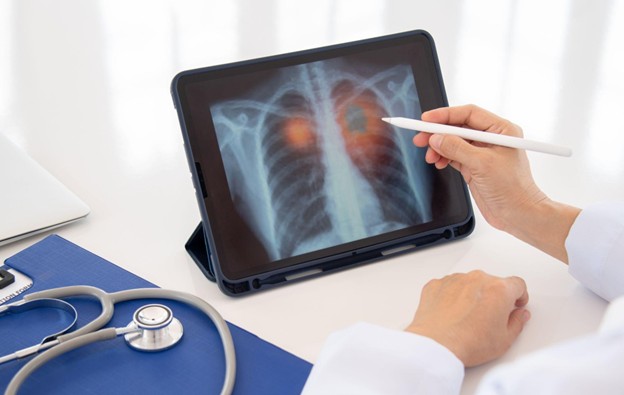
Medical records form the backbone of any lung cancer legal case. They are more than a stack of papers—they tell the story of your illness. Diagnosis details, lab results, imaging reports, and notes from oncologists or pulmonologists provide the official confirmation of your condition.
Treatment history matters just as much. Surgery notes, chemotherapy schedules, radiation sessions, and medication records all contribute to showing the severity and timeline of your illness. Consistent documentation of follow-ups, ongoing care, and changes in your condition also paints a complete picture.
Keeping these documents organized is essential. Many people in Chicago rely on legal guidance from a lung cancer attorney to understand which records are most relevant and how to present them effectively. An experienced attorney can help ensure nothing critical gets overlooked, giving your case the credibility it needs from the very beginning.
Exposure History
Proving that your lung cancer is linked to exposure to harmful substances is another key piece of the puzzle. This could include workplace chemicals, asbestos, secondhand smoke, or environmental toxins.
Documenting the timeline of exposure is essential. Employment records, safety reports, or even personal logs of exposure events help establish a clear connection between harmful substances and your diagnosis. Photographs of work environments, safety warnings that were ignored, and company policies can also serve as evidence.
In addition, writing down your own recollections, including dates and conditions, helps create a consistent narrative. Every detail adds weight, and when combined with medical records, it builds a strong case that supports your claims.
Witness Statements
Witnesses are another layer of evidence that can strengthen your case. Co-workers, supervisors, or family members who observed exposure or noticed workplace safety issues provide an independent perspective.
Witness statements can clarify situations that are not always documented. For example, a colleague who remembers repeated exposure to asbestos or improper protective measures can corroborate your account. Even neighbors or friends who saw hazardous conditions at your workplace or nearby environments can add credibility.
Statements from medical or safety experts also help. Their observations can explain technical details and confirm links between exposure and illness, making the evidence more persuasive in legal proceedings.
Employment and Safety Records
Company policies, safety protocols, and incident reports are essential when proving negligence. Employers are often required to follow strict safety measures. Failure to do so can be a cornerstone of your claim.
Records like hazard reports, training logs, or records of complaints help demonstrate whether the company met its obligations. Even minor violations can become significant if they show a pattern of neglect. Detailed, organized records make it easier to connect the dots and show that your illness was preventable.
Your attorney can request and review these documents to ensure that nothing critical is missed and that each piece of evidence is presented clearly.
Financial Records
Lung cancer has financial implications that go far beyond medical bills. Evidence of lost wages, therapy costs, transportation for treatments, and caregiving expenses helps establish the tangible impact of your illness.
Keeping receipts, invoices, and pay stubs can show the court the real cost of your condition. Tracking both direct medical expenses and indirect costs, like lost income or out-of-pocket expenses, provides a complete picture. This information not only supports compensation claims but also demonstrates the full scope of how your life has been affected.
Expert Opinions and Testimonies
Experts bring authority and clarity to a lung cancer case. Medical specialists can explain complex conditions, while industry experts can interpret safety standards and exposure risks.
Expert testimony is particularly useful when linking lung cancer to a specific cause. They can analyze medical records, review employment history, and provide reports that tie exposure to the illness. Courts value expert opinions because they translate complicated science into understandable terms, helping judges or juries make informed decisions.
Keeping Everything Organized
Organization is more than just neat folders. Clear, chronological records show the full story of your illness and exposure. Digital copies, backed-up files, and well-labeled documents make it easier for your attorney to review everything efficiently.
Having everything at your fingertips reduces stress and ensures nothing important is forgotten. It also shows that you are serious, careful, and prepared, which can influence negotiations or court outcomes positively.
Legal Guidance Matters
Navigating a lung cancer legal claim alone can be overwhelming. Experienced attorneys in Chicago can guide you through the entire process, helping you determine which evidence matters most.
Working closely with an attorney gives clarity and reduces the risk of missing critical documents or steps. They can advise on how to communicate with insurers, medical professionals, and other parties involved. Proper legal guidance ensures that your case is not only complete but also as strong as possible from start to finish.
Final Thoughts
Building a strong lung cancer legal case depends on collecting the right evidence and presenting it effectively. Medical records, exposure history, witness statements, safety reports, financial documentation, and expert opinions all form the foundation of a compelling claim.
Taking the time to organize these materials, understanding their importance, and seeking legal guidance from a lung cancer attorney in Chicago can make a meaningful difference. Even small details can have a significant impact, and the right approach ensures your story is clearly told and fully supported.
If you’re ready to take the next step, consulting a skilled attorney can provide reassurance and a clear path forward. They help you understand what matters most, manage deadlines, and advocate for the compensation and justice you deserve. Legal guidance can turn a complex, stressful situation into a process that feels manageable, ensuring your case is handled with the care and expertise it requires.